

New parents often look for comforting techniques that help babies sleep peacefully and feel secure during the early months. One commonly recommended method is swaddling, which involves wrapping a baby snugly in a lightweight blanket to mimic the feeling of the womb. However, many parents still ask, “Is swaddling safe for babies?” The answer depends largely on how swaddling is done, when it is used, and whether proper safety practices are followed. Understanding safe swaddling methods can help parents improve infant comfort while reducing unnecessary risks associated with incorrect wrapping techniques.
Safe Swaddling Practices for Better Infant Sleep and Comfort
Parents wondering “Is swaddling safe for babies?” should know that swaddling can be safe when practised correctly and for an appropriate age range. Babies should always be placed on their backs to sleep, wrapped loosely around the hips, and monitored closely once they begin showing signs of rolling over independently.
Why Parents Swaddle Newborns
Swaddling helps many newborns feel calm and secure by recreating a womb-like environment. During the first few months, babies often experience the Moro reflex, also known as the startle reflex, which may interrupt sleep frequently. Proper swaddling can help reduce sudden movements and encourage longer, more restful sleep periods.
Many healthcare professionals continue to support swaddling for healthy newborns when used correctly and under safe sleeping conditions. However, swaddling should never replace safe sleep guidelines or parental supervision.
Benefits of Proper Swaddling
When done safely, swaddling may provide several benefits for newborns and parents alike. These include:
- Improved sleep quality
- Reduced startle reflex disturbances
- Increased sense of comfort
- Easier soothing during fussiness
- Better sleep routines during early infancy
Parents following recommended Swaddling safety tips are more likely to create a secure sleep environment while maintaining infant comfort and mobility where necessary.
Common Swaddling Mistakes Parents Should Avoid
Although swaddling can be beneficial, incorrect techniques may increase risks related to overheating, restricted hip movement, or unsafe sleep positioning. One of the most common mistakes is wrapping the blanket too tightly around a baby’s hips and legs, which may interfere with healthy hip development.
Parents should also avoid:
- Using heavy or thick blankets
- Covering the baby’s face or neck
- Allowing overheating during sleep
- Swaddling babies who can roll independently
- Placing swaddled babies on their side or stomach
Following current safe sleep recommendations from paediatric experts remains essential for reducing avoidable sleep-related risks.
When Should Parents Stop Swaddling?
Swaddling is generally recommended only during the newborn stage and early infancy. Once babies begin attempting to roll over, swaddling should be discontinued immediately. Most babies show signs of rolling between two and four months of age.
Transitioning from swaddling can be gradual. Some parents begin by leaving one arm free before moving to sleep sacks or wearable blankets designed for infant sleep safety.
Choosing the Right Swaddle Products
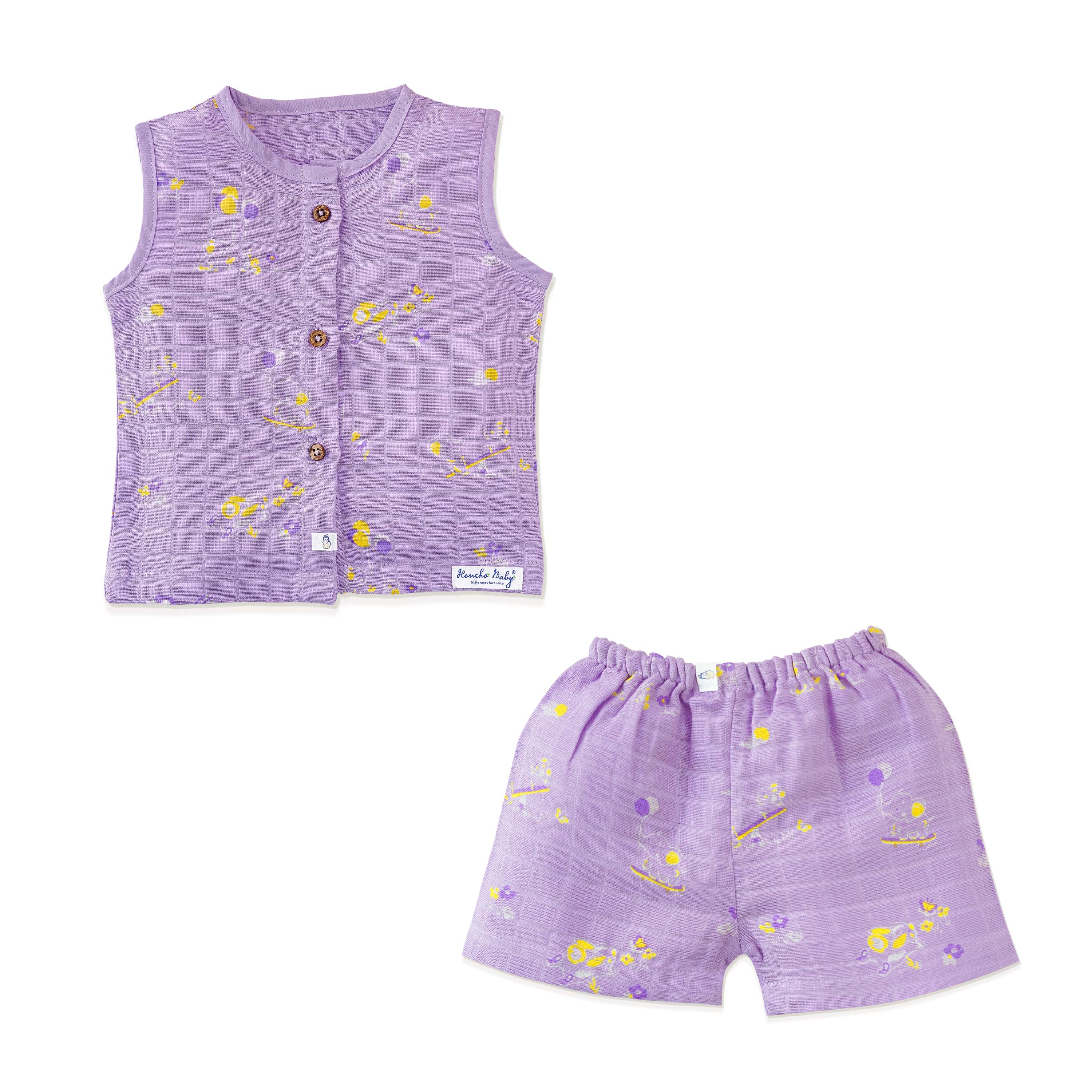
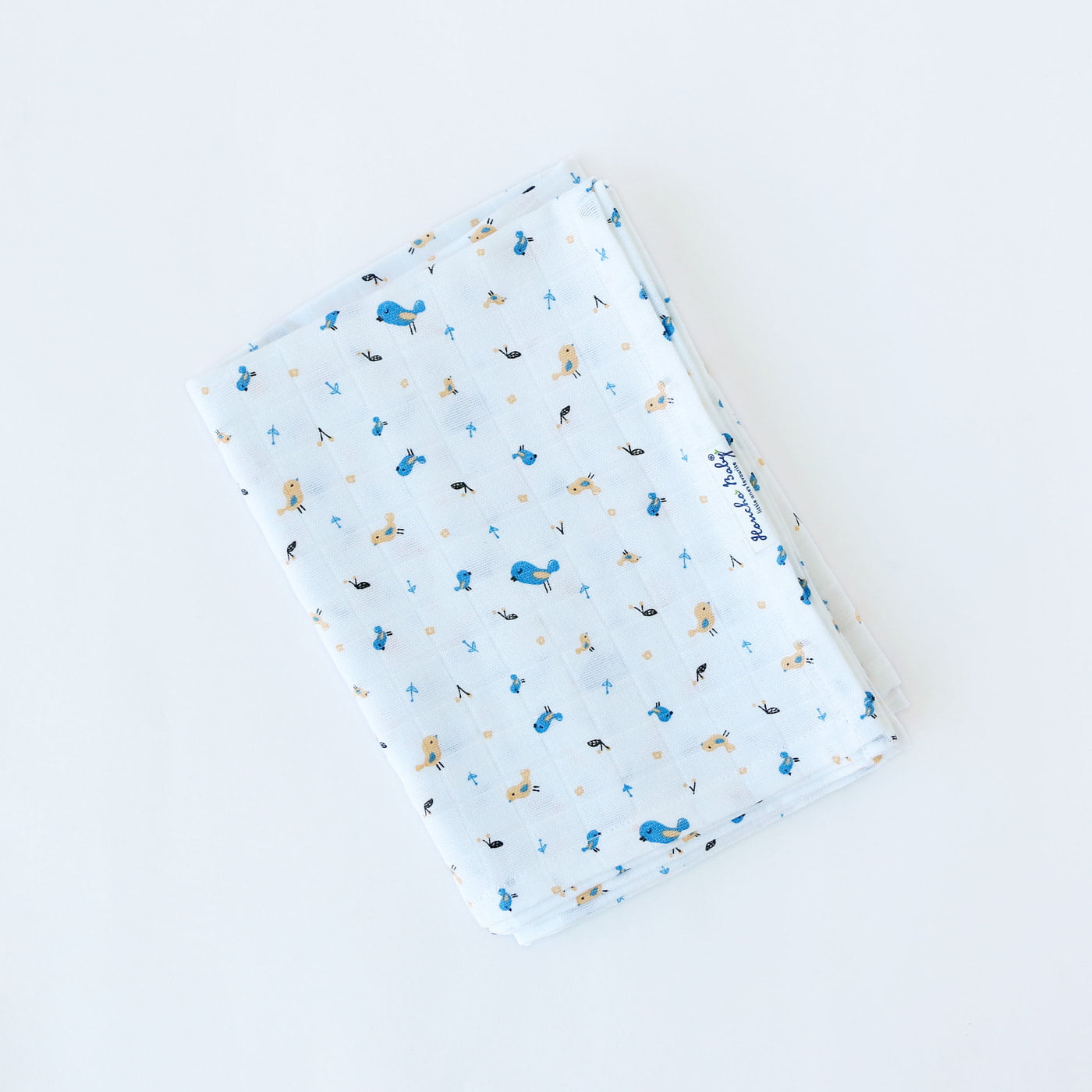
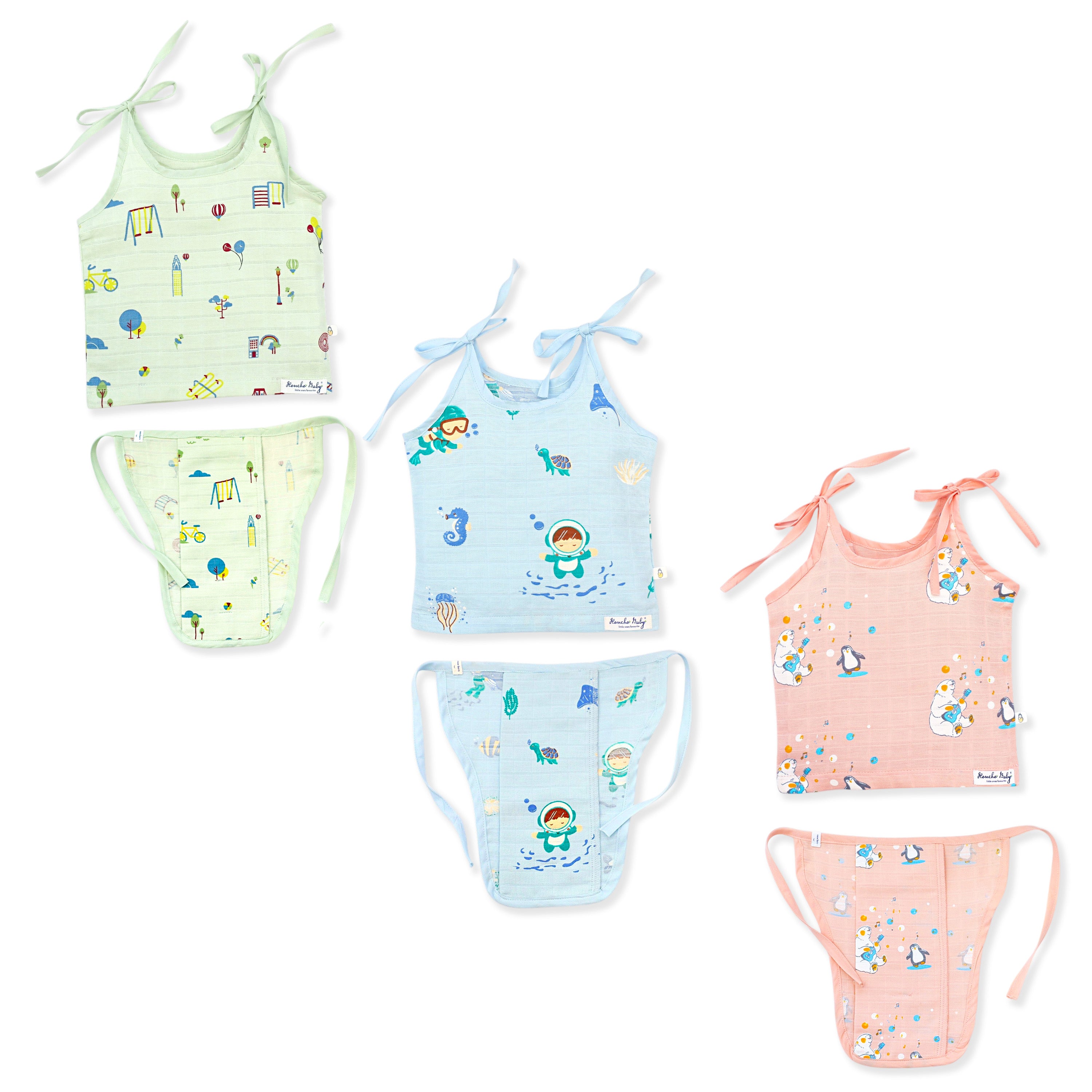
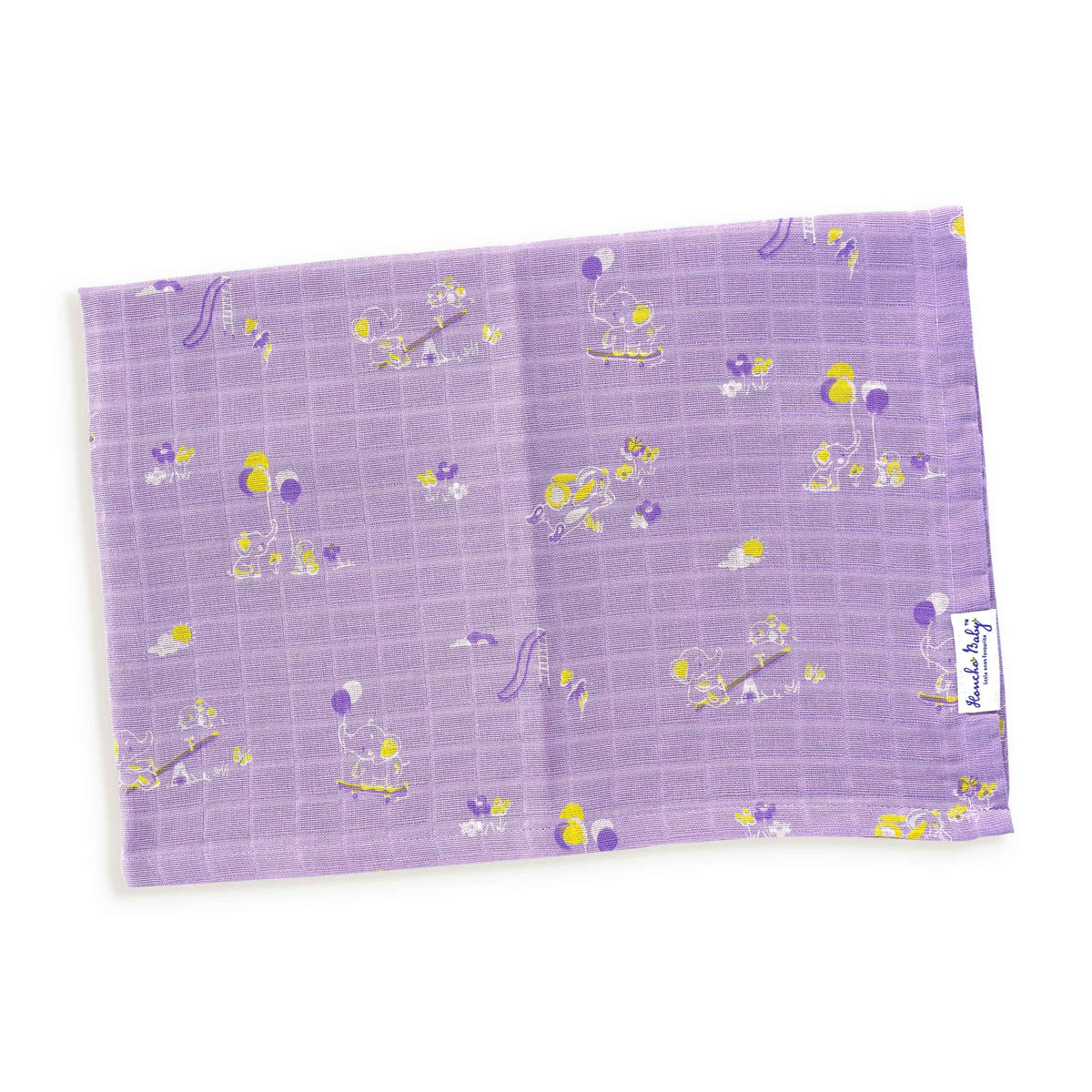
Modern swaddle products are designed with convenience and safety in mind. Breathable cotton fabrics, adjustable fastenings, and lightweight materials help improve comfort while reducing overheating risks. Parents should select products appropriate for the baby’s age, weight, and developmental stage.
A reliable newborn care guide often recommends choosing swaddles that allow natural hip movement while keeping the upper body comfortably secure.
Safe Sleep Environment Matters
Swaddling should always be combined with safe sleep practices. Babies should sleep on a firm mattress without pillows, loose blankets, stuffed toys, or padded bedding. The room temperature should remain comfortable to avoid overheating during sleep.
Parents are encouraged to monitor their baby regularly and consult healthcare professionals if they have concerns about sleep routines, swaddling techniques, or infant comfort during the newborn stage.
The Takeaway
For parents asking, “Is swaddling safe for babies?”, the answer is yes when safe sleep guidelines and proper swaddling techniques are followed carefully. Swaddling can provide comfort, improve sleep quality, and help soothe newborns during early development. By focusing on breathable fabrics, correct wrapping methods, and timely transition practices, parents can create a safer sleep environment for their baby. Honcho Baby offers thoughtfully designed baby essentials that support comfort, practicality, and modern newborn care for growing families.
FAQs
1. Is swaddling safe for babies during sleep?
Yes, swaddling can be safe for healthy newborns when babies are placed on their backs and wrapped correctly using lightweight, breathable materials. Parents asking “Is swaddling safe for babies?” should also ensure the swaddle is not too tight around the hips and discontinue swaddling once rolling begins.
2. When should I stop swaddling my baby?
Parents should stop swaddling when babies begin showing signs of rolling over independently, usually between two and four months of age. Continuing to swaddle after this stage may increase sleep-related safety risks. Transitioning gradually to wearable sleep sacks can help babies adjust more comfortably during sleep.
3. What are the most important swaddling safety tips?
Important Swaddling safety tips include placing babies on their backs to sleep, avoiding thick blankets, ensuring proper hip movement, and preventing overheating. Parents should also regularly check whether the baby appears comfortable and discontinue swaddling immediately if rolling or strong movement begins during sleep periods.
4. Can swaddling help newborns sleep better?
Many newborns sleep more peacefully when swaddled because it helps reduce sudden startle reflex movements. A good newborn care guide often explains that safe swaddling may improve sleep routines, support infant comfort, and help soothe babies during the first few months of development and adjustment.
5. Which fabric is best for swaddling a newborn?
Soft, breathable cotton fabrics are generally considered ideal for swaddling newborns because they help regulate temperature and reduce overheating risks. Lightweight materials also improve comfort during sleep while supporting better airflow. Parents should avoid heavy or overly thick fabrics, especially in warm weather conditions.