

News

Muslin Swaddle Buying Guide: What to Check Before You Order Online
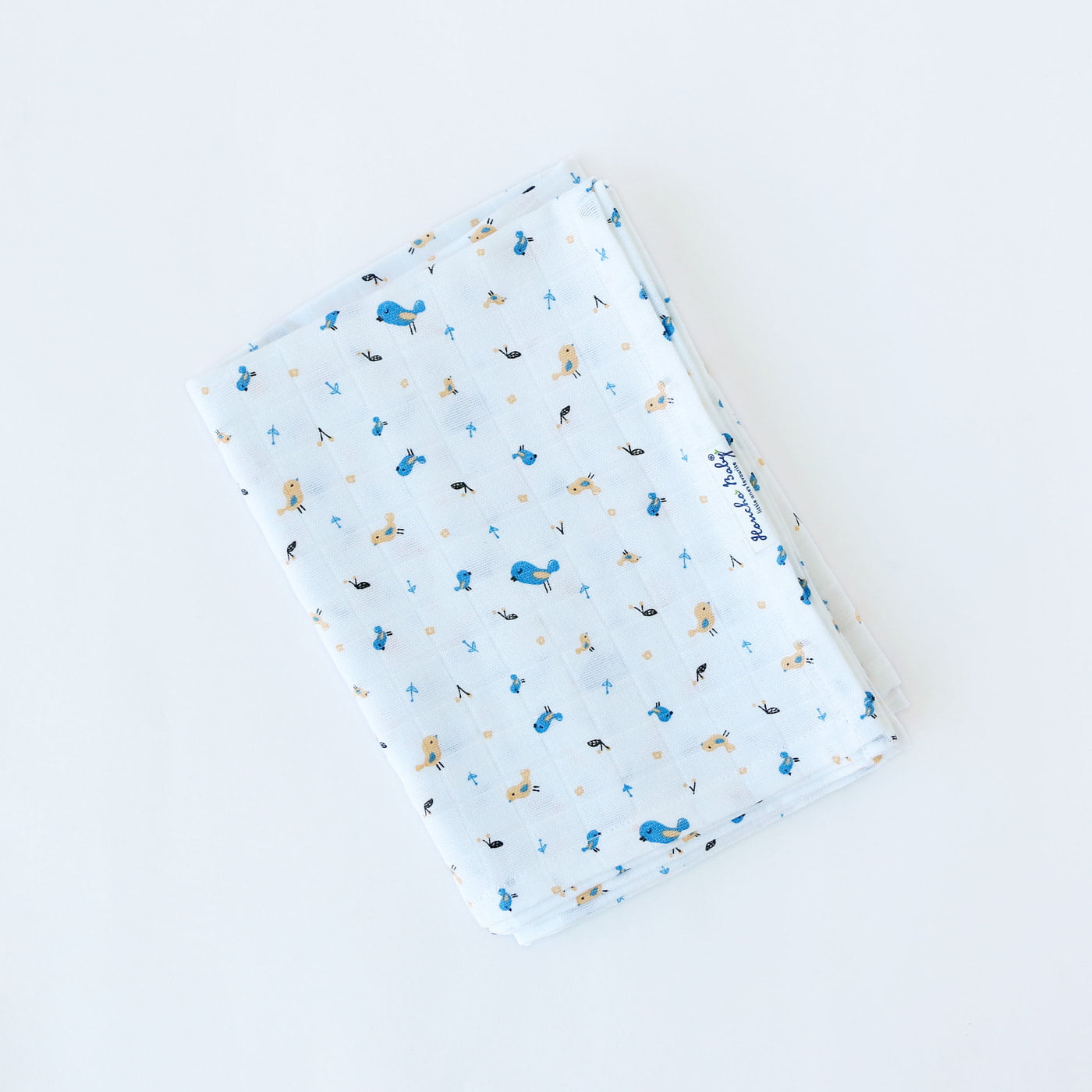
Choosing baby essentials online can feel overwhelming, especially when you are buying something that sits close to your baby’s delicate skin. A swaddle should be soft, breathable, practical and easy to use. Before placing your order, check the fabric, size, construction, care instructions and safety details rather than choosing only by appearance. Shop Swaddles Check the Fabric Before Buying Muslin Swaddle Blankets Fabric is one of the first things to check. Look for soft, breathable cotton that feels gentle against a newborn’s skin. Muslin swaddle blankets made from cotton are lightweight and comfortable for everyday use. Honcho Baby offers 100% premium cotton options as well as double-layer organic cotton designs. Its organic options are made from certified organic cotton, giving parents another choice when shopping for baby essentials. Pick the Right Size Size matters when buying muslin swaddle blankets online. A very small blanket can make wrapping difficult, while a larger one can offer more flexibility as your baby grows. Online collections commonly list sizes such as 100 x 100 cm and 110 x 110 cm. Check the product description and size chart before ordering instead of relying on product photographs. Look at the Layering and Finish Single-layer and double-layer options can feel different. Double-layer cotton can provide a little more coverage while remaining practical for daily use. Also check the stitching, edges and overall finish. The best baby swaddle blankets should be easy to fold, wrap and wash. A neat finish can also help the blanket stay useful after repeated washing. Think Beyond Swaddling A versatile baby swaddle blanket can be useful for more than wrapping. Depending on the product, you may use it as a nursing cover, burp cloth, lightweight blanket, stroller cover or toddler comfort blanket. Honcho Baby specifically describes its organic double-layer swaddles as multipurpose essentials. This makes it worth considering how often you will use the blanket and whether it can serve different purposes as your baby grows. Check Washing and Everyday Care Babies create plenty of laundry, so easy care should be part of your buying decision. Read the care instructions before ordering and choose a fabric that suits your usual washing routine. It is also sensible to buy more than one baby swaddle blanket if you plan to use swaddles regularly. Having a spare means you are not stuck without one when another is in the wash. Keep Safe Swaddling in Mind A swaddle should never replace safe sleep practices. Place a swaddled baby on their back on a firm, flat sleep surface. Keep loose blankets, pillows and other soft items away from the sleep space. The wrap should allow comfortable movement around the hips and legs. Stop swaddling when your baby starts showing signs of rolling. Avoid weighted swaddles. Check Delivery, Returns and Product Details Before ordering online, check stock status, delivery information, payment options and return or exchange policies. Honcho Baby lists features such as pay-on-delivery, ready-to-ship information and a 14-day return and exchange policy on selected swaddle product pages. Reading these details before payment can save you from surprises later. Conclusion Buying muslin swaddle blankets online becomes easier when you focus on fabric, size, layering, care, versatility and safe use. Instead of choosing purely for a cute print, compare the practical details and pick something suited to your baby’s everyday routine. Honcho Baby offers cotton and organic cotton swaddles in different sizes and playful prints, making it easier to find a practical option for your little one. Find the Best FAQs 1. What fabric is best for a baby swaddle blanket? Cotton is a popular choice because it feels soft and breathable against delicate skin. When choosing a baby swaddle blanket, check the fabric composition, construction and care instructions to make sure it suits your baby’s everyday needs. 2. What size should I choose for muslin swaddles? Common sizes include 100 x 100 cm and 110 x 110 cm. The right option depends on your baby and how you prefer to wrap. Always check the seller’s size chart before ordering muslin swaddle blankets online. 3. How many swaddles should new parents buy? There is no fixed number, but having several can make daily life easier. Babies often need frequent changes, so a small rotation of the best baby swaddle blankets means you can keep one available while another is being washed. 4. Can muslin swaddles be used for purposes other than wrapping? Yes. Depending on the design, a baby swaddle blanket can also work as a nursing cover, burp cloth, lightweight blanket, stroller cover or comfort blanket, making it a useful addition to a newborn’s everyday essentials. 5. When should parents stop swaddling? Parents should stop swaddling when a baby begins showing signs of trying to roll. Safe sleep remains important throughout this stage. Always place the baby on their back and ensure the swaddle allows comfortable movement around the hips and legs. Buy Now
Learn more
Muslin Swaddle Blankets Explained: Why Newborns Sleep Better Wrapped in Softness
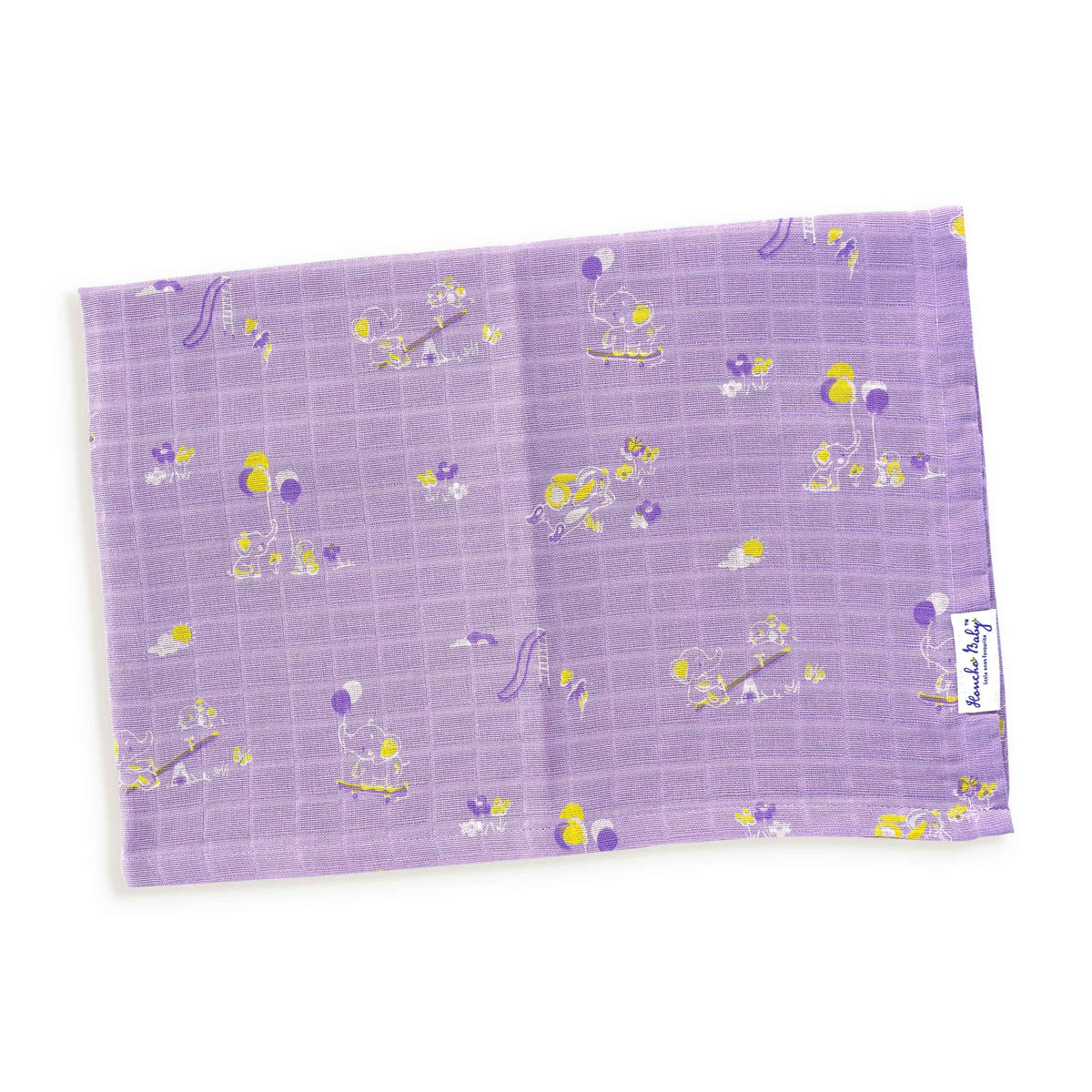
The first few weeks with a newborn can feel like a cycle of feeds, cuddles and broken sleep. A baby muslin swaddle can make settling easier by giving a baby a gentle, secure feeling without heavy layers. Honcho Baby’s collection includes lightweight and double-layer organic cotton options designed for newborn comfort. Shop Muslin Swaddle What Is a Muslin Swaddle A muslin swaddle is a lightweight wrap used to gently bundle a newborn. A muslin swaddle is valued for being soft, breathable and easy to handle, making it practical for everyday baby care. A good muslin swaddle cloth should feel gentle against delicate skin while allowing enough room around the hips and legs. Honcho Baby offers 100% premium cotton and organic cotton double-layer options in sizes such as 100 x 100 cm and 110 x 110 cm. Why Does Wrapping Help Newborns Settle? Newborns are still getting used to life outside the womb. Their arms can move suddenly, and those little movements may wake them during light sleep. A correctly used baby muslin swaddle can reduce those startling movements and create a familiar, cosy feeling. It is worth being precise here: swaddling may help calm a baby and promote sleep, but it is not a guarantee of longer sleep and does not reduce the risk of SIDS. The Comfort of Soft, Breathable Fabric Babies spend a great deal of time sleeping, so the fabric touching their skin matters. A muslin swaddle cloth made from lightweight cotton can offer softness without feeling bulky. Breathability also matters because babies should not become overheated while sleeping. Honcho Baby describes its muslin range as gentle against little ones’ skin, with organic double-layer options made for newborn use. More Than a Sleeping Wrap One reason parents like a muslin swaddle is its versatility. Once it is not being used for wrapping, it can become a nursing cover, burp cloth, stroller cover, lightweight blanket or comfort cloth. This makes a baby muslin swaddle useful beyond the newborn stage. Honcho Baby specifically lists several of these everyday uses for its organic cotton swaddles, helping parents get more value from one simple essential. How to Use It Safely Comfort should never come before safe sleep. Always place a swaddled baby on their back, on a firm, flat sleep surface. Keep pillows, loose blankets and other soft items out of the sleep space. The wrap should be snug around the chest but allow free movement of the hips and knees. Stop using a muslin swaddle as soon as your baby shows signs of trying to roll. Weighted swaddles should also be avoided. Choosing the Right Muslin Swaddle Cloth When choosing, a muslin swaddle should use soft, breathable fabric, a practical size and secure but comfortable wrapping. Organic cotton can be a useful choice for parents who prefer naturally sourced materials. A muslin swaddle cloth should also be easy to wash, because newborns create plenty of laundry. Conclusion A baby muslin swaddle can be a simple way to make newborn settling feel calmer and cosier. Choose breathable fabric, wrap correctly and follow safe-sleep guidance every time. With practical, soft options for newborns, Honcho Baby makes this everyday essential easy to add to a baby’s first wardrobe. Explore Swaddles FAQs 1. What is a muslin swaddle? A muslin swaddle is a lightweight wrap used to settle a newborn. It can help reduce sudden arm movements and provide a cosy feeling. Always place a swaddled baby on their back and stop once they show signs of rolling. 2. How should I choose a muslin swaddle cloth? Choose a soft, breathable muslin swaddle cloth that fits your baby comfortably. It should allow room around the hips and legs while staying snug around the chest. Avoid tight wrapping, overheating and weighted products during sleep during sleep and naps. 3. Can a baby muslin swaddle be used for other purposes? Yes, a baby muslin swaddle can have several uses beyond wrapping. Depending on its fabric and size, parents may use it as a nursing cover, burp cloth, stroller cover, lightweight blanket or comfort cloth during everyday outings when needed daily. 4. Does swaddling guarantee better sleep? Swaddling can help some newborns settle, but it does not guarantee longer sleep. Keep the sleep space clear, use a firm, flat surface, and place your baby on their back. Follow your paediatrician’s advice for individual needs at home safely. 5. When should I stop using a muslin swaddle? Stop using a muslin swaddle when your baby begins trying to roll. Continuing to wrap a baby who can roll may increase the risk of suffocation. Transition to an appropriate sleep sack while maintaining safe sleep practices during early months. Wrap Your Newborn
Learn more
Janmashtami Dress-Up Guide: Adorable Little Krishna & Radha Outfits for Babies
Janmashtami is a lovely time to celebrate Lord Krishna's birth, and dressing little ones up as Krishna or Radha adds something extra special to the day. From tiny dhotis and peacock feathers to pretty frocks and floral accessories, there's plenty of room to add a festive touch without sacrificing comfort. For baby girls, a soft frock is often all you need for a Radha-inspired look. If you're browsing for a baby girl frock online, go for something comfortable and add a few simple traditional touches rather than reaching for a heavy costume. Shop Now Little Krishna Outfit Ideas for Babies A classic Krishna look usually comes together with a small dhoti, a comfortable top or vest, a peacock feather, and a little flute. Yellow, blue, and green shades tend to work best for that traditional feel. Keep the accessories light. Elaborate headpieces and heavy jewellery get uncomfortable fast, especially once the celebration runs long. For very young babies, comfort wins every time. A simple cotton outfit with just one or two Krishna touches can look every bit as charming. Radha-Inspired Baby Girl Frock Online For little girls, a pretty dress makes an easy starting point for a Radha-inspired Janmashtami outfit. When choosing a baby girl frock online, look for soft fabric, a comfortable fit, and details that won't irritate delicate skin. Pair a colourful frock with a small floral hair accessory, lightweight bangles, or a simple necklace. Keep it subtle. Babies don't need a pile of accessories to look festive. Choose a Cotton Frock for Baby Girl Festive celebrations usually mean warm rooms, family gatherings, and a lot of movement. That's why a cotton frock for baby girl is often the practical choice, especially when comfort matters just as much as how the outfit looks. Honcho Baby's muslin cotton frocks are designed with babies and toddlers in mind. The styles include gathered waists, soft sleeves, easy openings, and breathable cotton fabric. Several designs run from newborn sizes right through the toddler years. A cotton frock for baby girl doesn't have to stay in the closet after Janmashtami either. It works just as well for birthdays, family visits, outings, and everyday wear. Frock for 1 Year Baby Girl: What to Look For Choosing a frock for 1 year baby girl gets a lot easier once you focus on fit and movement. At this age, most babies are crawling, standing, or starting to walk, so anything restrictive turns frustrating fast. Look for a comfortable neckline, soft seams, and enough room around the waist and legs. Honcho Baby's muslin frocks include a 1–2 years option, and the size chart has the exact measurements. A front-button design makes dressing that much simpler, too. Several Honcho Baby styles come with easy button openings and lightweight silhouettes built for everyday comfort. Simple Accessories for a Janmashtami Look You don't need a full costume to pull off a festive look. For a baby Krishna look, a soft peacock-feather accessory and a toy flute go a long way. For a Radha-inspired outfit, a small floral headband or a bit of lightweight jewellery adds the colour you need. Steer clear of anything sharp, loose, or heavy. Whatever your baby wears should be secure, comfortable, and appropriate for their age. Make Comfort the Priority Festivals are exciting, sure, but babies tire out and get restless fast. Stick to breathable clothing and skip the extra layers, especially indoors. A baby girl frock online might look stunning in photos, but the fabric and fit matter more than any decoration ever will. Let your baby move freely, and take off any accessory the moment it starts to bother them. Conclusion A Janmashtami outfit doesn't need to be elaborate to feel memorable. Stick to soft clothing, keep the accessories simple, and let your baby's comfort guide every styling choice. For little girls, a cotton frock for baby girl paired with a few traditional touches makes for a sweet Radha-inspired look. Honcho Baby offers muslin cotton frocks and other comfortable clothing options built with little ones in mind. Explore Styles FAQs 1. What should a baby wear for Janmashtami? A simple Krishna or Radha-inspired outfit made from soft, breathable fabric works well for most babies. For girls, a comfortable frock with a floral accessory does the job nicely. Steer clear of heavy costumes, tight clothing, and anything decorative that could feel uncomfortable during the celebration. 2. Where can I buy a baby girl frock online? There's a baby girl frock online in just about every colour, fabric, and style you could want. Look for breathable materials, the right sizing, and fastenings that are easy to manage. Honcho Baby, for instance, offers muslin cotton frocks sized from newborns through to young children. 3. Is a cotton frock suitable for Janmashtami? It is, yes. A cotton frock for baby girl makes a comfortable festive choice, particularly in warm weather. Cotton and muslin fabrics move more easily and feel lighter during long celebrations. Go for a relaxed fit and skip the heavy decorative layers. 4. What should I choose for a frock for 1 year baby girl? Comfort, fit, and easy dressing should top your list when choosing a frock for 1 year baby girl. Soft fabric with plenty of room to move matters most. A simple gathered or gently flared design tends to suit crawling and early walking well. 5. How can I make a baby girl look like Radha? Start with a comfortable festive dress or frock, then layer in one or two simple accessories, maybe a floral headband or a bit of lightweight jewellery. A baby girl frock online can give you the base outfit, and a few subtle traditional touches will finish the look. Find the Look
Learn more
Raksha Bandhan Outfit Guide: Coordinated Sibling Sets Kids Will Love
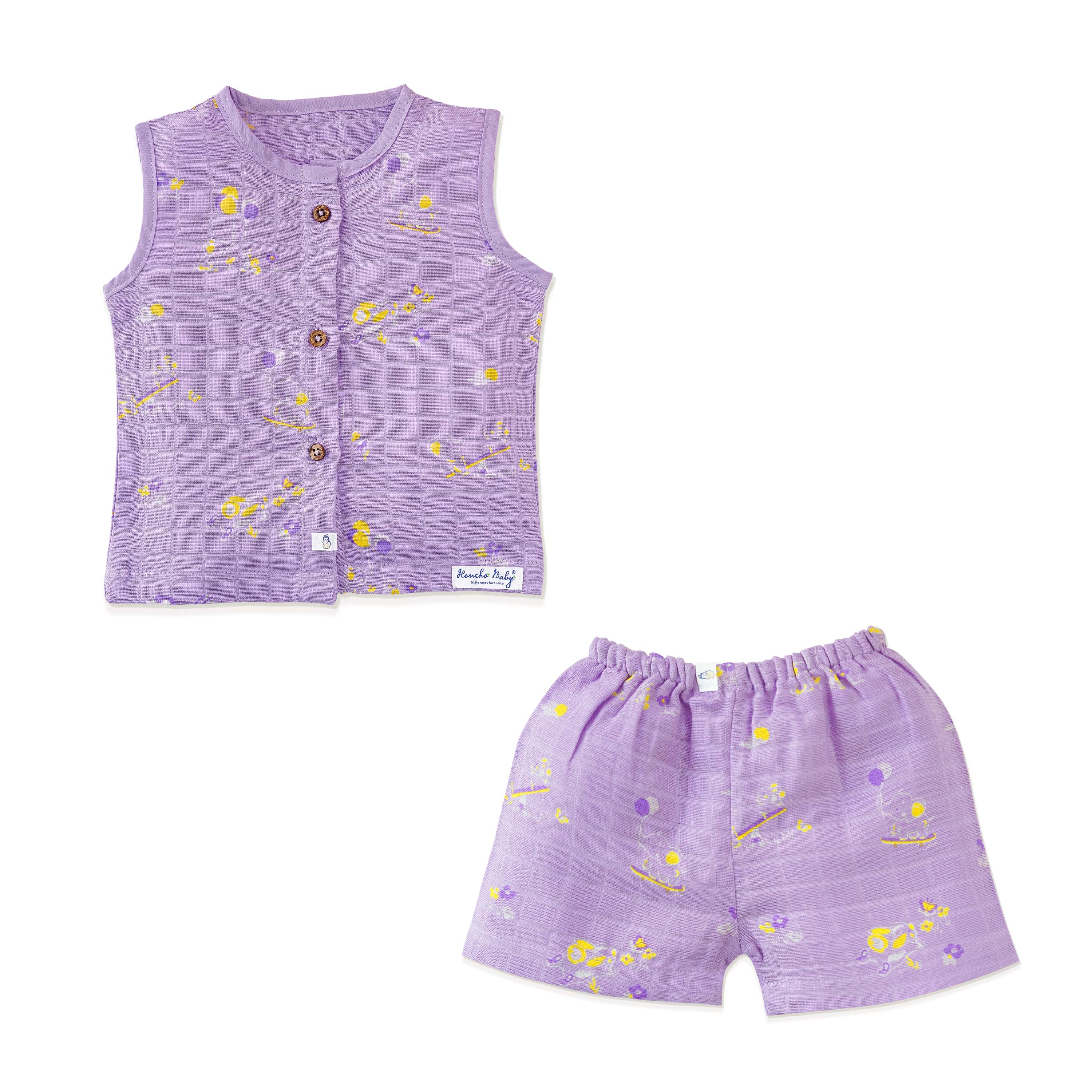
Raksha Bandhan is all about family, laughter, little rituals and plenty of photographs. Dressing siblings in coordinated outfits can make the celebration even more special. But festive clothing for children should never come at the cost of comfort. A baby co ord set can be a simple way to create a polished festive look while keeping your little one free to move, play, and enjoy the day. Shop Baby Sets Why Choose a Baby Co Ord Set for Raksha Bandhan? Co-ordinated outfits take the guesswork out of dressing. The top and bottom are already designed to work together, so you get a neat look without spending time matching separate pieces. A baby co-ord set also works well for family gatherings because it looks festive without feeling overly formal. Choose cheerful prints, soft colours or playful patterns that suit your child's personality. Comfort Comes First Children can spend hours moving between relatives, playing with siblings and enjoying festive treats. Clothes that feel tight, rough or heavy can quickly become uncomfortable. Look for breathable fabrics and relaxed fits. Honcho Baby focuses on soft muslin and premium cotton clothing, with several co-ordinated sets designed for babies and toddlers. For warm August celebrations, a lightweight baby co ord set can be a practical choice for keeping little ones comfortable throughout the day. Matching Top and Bottom Set for Toddlers Toddlers are constantly on the move. They need outfits that allow them to walk, sit, crawl and play without restriction. A matching top and bottom set for toddlers offers a coordinated appearance while keeping the outfit simple. Full-sleeve top-and-pant sets can work well for cooler indoor celebrations, while sleeveless top-and-short combinations may suit warmer weather. Choose the style according to the day's temperature and your child's usual comfort. Pick Prints That Feel Festive Raksha Bandhan doesn't mean every outfit has to be heavily embellished. Fun prints, florals, cheerful colours and playful motifs can create a festive appearance without adding uncomfortable layers. Honcho Baby's collection includes fresh prints across its muslin clothing, with options available for babies and children up to five years. A colourful baby co-ord set can look especially charming in family photographs while remaining suitable for everyday wear afterwards. Coordinating Siblings Without Making Them Identical Sibling outfits don't have to be exact copies. Try choosing complementary colours or prints instead. A brother could wear a coordinated top-and-shorts set while his sister wears a similar shade in a frock or another matching style. This creates a connected family look while allowing each child to have their own outfit. A baby co-ord set can become the starting point, with accessories or colours used to connect the siblings' looks. How to Choose a Baby Girl Co-Ord Set Online Shopping for a baby girl co-ord set online gives parents plenty of choices, but always check the size chart before ordering. Pay attention to the fabric, sleeve style, waistband, age range and care instructions. For babies and toddlers, avoid choosing a size solely because it looks cute. The outfit needs enough room for comfortable movement. Honcho Baby offers girls' co-ordinated styles in its muslin collection, alongside frocks and other children's clothing. Keep Accessories Simple Children don't need lots of accessories to look festive. A small hair accessory, comfortable sandals or a simple headband can complete the outfit. For younger babies, prioritise comfort and safety over elaborate additions. The outfit should remain easy to wear, especially if your child will be spending several hours with family. Choose Clothes They Can Wear Again Festive outfits are more useful when they aren't limited to one occasion. Look for designs that can work for family visits, outings, playdates or casual days after Raksha Bandhan. Soft cotton and muslin sets are particularly versatile because they can be paired with other pieces already in your child's wardrobe. This makes a baby co-ord set a practical addition rather than a one-day purchase. What Should Parents Check Before Buying? Before ordering, check: Correct size and age range Fabric composition Breathability Waistband and neckline comfort Sleeve and trouser length Washing instructions Return or exchange policy For online shopping, measurements are more reliable than choosing a size based only on your child's age. Create a Picture-Perfect Sibling Look The best coordinated outfits don't need to look overly planned. Choose one common element, such as a colour, print or fabric, and let the rest vary naturally. This gives siblings a connected appearance without making them look like they're wearing uniforms. A matching top and bottom set for toddlers can be paired with a sibling's complementary outfit for a sweet Raksha Bandhan photograph. Conclusion Raksha Bandhan outfits should look adorable, but children should still be able to enjoy the celebration comfortably. A baby co-ord set offers an easy balance of style, coordination and everyday practicality, while a baby girl co-ord set online can give parents more choices when planning a sibling look. Honcho Baby brings together soft muslin clothing, playful prints and comfortable designs that can work beautifully for festive celebrations and beyond. Explore Toddler Sets FAQs 1. What should I look for in a baby co-ord set for Raksha Bandhan? When choosing a baby co-ord set, look for soft, breathable fabric, comfortable fits and age-appropriate sizing. Check the waistband, neckline and stitching carefully. Since children may spend several hours celebrating, choose an outfit that allows easy movement and doesn't feel restrictive. 2. Is a matching top and bottom set for toddlers suitable for festive occasions? Yes, a matching top and bottom set for toddlers can look festive while remaining practical. Choose attractive prints, cheerful colours and breathable fabrics. Sets with comfortable waistbands and relaxed fits allow toddlers to move freely while playing, meeting relatives and enjoying Raksha Bandhan activities. 3. How do I choose a baby girl co-ord set online? When buying a baby girl co-ord set online, check the brand's size chart instead of relying only on your child's age. Look at fabric, measurements, sleeve style, waistband and care instructions. Also review return policies in case the chosen size doesn't provide a comfortable fit. 4. Can coordinated sibling outfits be worn after Raksha Bandhan? Absolutely. Choose comfortable designs that aren't overly formal or heavily embellished. A baby co-ord set made from breathable cotton or muslin can often be worn for outings, playdates and family visits after the festival. Versatile colours and playful prints make repeat wear easier. 5. Do siblings need to wear exactly matching clothes? No. Siblings can look coordinated without wearing identical outfits. Try matching one element, such as colour, print or fabric, while choosing different styles for each child. A matching top and bottom set for toddlers can complement a sibling's frock or another coordinated outfit. Find Matching Outfits
Learn more
Best Baby Gift Sets for Newborns: Thoughtful Picks for Every Occasion
Choosing a gift for a newborn can be surprisingly difficult. Babies are tiny, their needs change quickly, and parents often receive plenty of decorative presents. A practical gift that feels thoughtful is usually much more appreciated. A well-chosen baby gift set can bring together useful everyday essentials while still feeling special enough for a celebration. Whether you're shopping for a baby shower, a naming ceremony or a newborn visit, focus on comfort, practicality and quality. Shop Baby Gifts Why a Baby Gift Set Makes a Great Present New parents go through plenty of clothing and accessories during the first few months. Spit-ups, feeding, nappy changes and everyday messes mean having spare essentials is always helpful. A baby gift set can make shopping easier because several complementary items are presented together. Instead of choosing individual pieces, you can give parents a ready-to-use collection. The best sets are not simply attractive. They contain items parents are genuinely likely to use. Choose a Newborn Accessories Set Small accessories can be particularly useful during the early weeks. A newborn accessories set may include items such as caps, mittens and booties. These are tiny essentials that can easily get misplaced when kept separately. When choosing a set, check the fabric, size and construction. Newborn skin is delicate, so soft materials and comfortable designs should be a priority. Honcho Baby offers newborn clothing and accessory options designed around comfort and everyday practicality, making them suitable for gifting as well as building a baby's first wardrobe. Baby Mittens and Booties for Everyday Use Baby mittens and booties are simple gifts, but they can be surprisingly useful. Mittens may help protect a newborn from accidental scratches, while soft booties can help keep little feet covered when needed. Look for gentle elastic and materials that feel soft against the skin. Avoid pieces that are overly tight or difficult to put on. New parents have enough to think about without wrestling with complicated baby accessories. A coordinated set also looks neat when presented as part of a larger gift. For a Baby Shower A baby shower is a perfect opportunity to give something practical with a personal touch. Choose a baby gift set containing everyday accessories or clothing that parents can use from the first few weeks. Soft colours, simple patterns and versatile pieces tend to work well when the baby's preferences are not yet known. You could also combine a newborn accessories set with a handwritten card to make the present feel more personal. For a Newborn Visit When visiting a family after the baby's arrival, practical gifts can be especially welcome. A small baby gift set with caps, mittens and booties is easy to carry and doesn't take up much space. It also gives parents useful extras without adding another large item to an already busy nursery. Choose pieces suitable for the current season. Lightweight accessories may work better in warmer weather, while additional layers can be useful during colder months. For a Naming Ceremony A naming ceremony is a meaningful occasion, so the gift can be both useful and memorable. Look for a newborn accessories set with coordinated pieces that feel special enough for the occasion while remaining practical afterwards. Neutral or classic colours can be a safe choice if you don't know the family's preferred style. You can also select a beautifully presented set and add a personal note for the parents. For a First Birthday or Family Celebration Although newborn accessories may not suit an older baby, the same gifting principle still works. Choose pieces based on the baby's current size and stage. Comfortable clothing, soft accessories and practical everyday items can be more useful than something that simply looks decorative. If you're buying a baby gift set for an older infant, check the age and measurements carefully before ordering. What Fabrics Should You Look For? Fabric should be one of the first things you check. Soft cotton is a popular choice for baby clothing and accessories because it is comfortable and breathable. Always check the product description rather than assuming that an item is made entirely from cotton. Pay attention to seams, labels and elastic too. A soft fabric can still be uncomfortable if the garment has rough stitching or tight edges. For baby mittens and booties, flexibility and comfort are particularly important because these pieces stay close to delicate skin. Think About Size Before Buying Newborns grow quickly. That makes sizing an important part of choosing a gift. If you're buying for a newborn, check the recommended age and measurements. If the baby has already arrived, you may be able to ask the parents what size they currently need. Don't automatically buy several sizes too large. A gift is most useful when the baby can actually wear it at the right time. Look for Easy-to-Use Designs Parents appreciate anything that makes everyday tasks easier. Caps should be easy to put on. Mittens should stay comfortably in place without being restrictive. Booties should be simple to remove when necessary. When choosing a newborn accessories set, avoid overly complicated designs with unnecessary fastenings or decorative elements that could make everyday use difficult. Practical doesn't have to mean plain. A simple, well-designed set can still look beautiful. Choose Something Parents Will Actually Use It's easy to get carried away when buying newborn gifts. Everything looks adorable. Before choosing, ask yourself a simple question: Will the parents use this? A soft cap? Probably. A few pairs of baby mittens and booties? Very likely. A decorative item that has no everyday purpose? Maybe not. Useful gifts can still feel thoughtful when they're chosen carefully and presented beautifully. Make Your Gift Feel Personal You don't need to spend a fortune to make a newborn gift meaningful. Choose a set in colours that suit the family, add a handwritten note or combine the accessories with another small practical item. You could also create a themed baby gift set around everyday comfort, such as a cap, mittens, booties and a soft clothing piece. The presentation matters, but the usefulness of the gift matters more. Check Care Instructions Baby clothes and accessories need frequent washing, so care instructions are worth checking before you buy. Look for products that can be washed according to straightforward instructions. New parents are unlikely to appreciate a gift that requires complicated maintenance. If you're giving a newborn accessories set, consider washing the items only if the parents have specifically asked you to. Otherwise, leave them neatly packaged with their care information intact. A Simple Newborn Gift Checklist If you're unsure what to choose, start with a few essentials: Soft newborn cap Comfortable mittens Gentle booties Practical baby clothing Breathable fabrics Easy-to-use designs Suitable sizing Simple care requirements You don't need every item on the list. Even two or three thoughtfully chosen pieces can make a lovely gift. Conclusion The best newborn gifts combine usefulness with a little thoughtfulness. A carefully selected baby gift set can give new parents practical essentials without adding unnecessary clutter. Look for soft fabrics, comfortable sizing and easy-to-use designs, particularly when choosing a newborn accessories set or baby mittens and booties. Honcho Baby offers newborn clothing and accessories designed with comfort and everyday use in mind, making it a practical choice when you're looking for a thoughtful gift for a new arrival. Explore Gift Sets FAQs 1. What should a good baby gift set contain? A good baby gift set should contain practical items that parents can use during the baby's early months. Caps, mittens, booties and soft clothing are useful options. Always consider the baby's age, size, season and the quality of the materials before choosing a set. 2. Is a newborn accessories set a useful newborn gift? Yes, a newborn accessories set can be a useful gift because it brings several small essentials together. Caps, mittens and booties can be needed regularly, particularly during the early weeks. Choose a set made from comfortable materials with suitable sizing and gentle, non-restrictive designs. 3. Why are baby mittens and booties useful? Baby mittens and booties can be useful additions to a newborn's wardrobe. Mittens may help reduce accidental scratches, while soft booties can keep little feet covered when appropriate. Look for comfortable elastic and breathable materials, and make sure neither item feels tight or restrictive. 4. What is a good baby gift for a baby shower? A practical baby gift set can work particularly well for a baby shower because parents can use the items after the baby arrives. Consider a coordinated selection of soft clothing or accessories in versatile colours. Adding a handwritten message can make the practical present feel more personal. 5. How should I choose the right size for newborn accessories? Check the manufacturer's measurements rather than relying only on the word "newborn". Babies vary considerably in size, and they grow quickly. When selecting a newborn accessories set, consider the baby's current age and measurements, as well as the season in which the accessories are likely to be used. Find Newborn Picks
Learn more
Newborn Accessories Set Checklist: Essential Items for Your Hospital Bag
Packing your hospital bag can feel exciting and slightly overwhelming. There are so many tiny things to remember, and newborn accessories are easy to overlook. A practical newborn accessories set can make those first few days simpler by keeping essential little items together and ready to use. The aim isn't to pack your entire nursery. You need a few soft, useful pieces that suit your baby's size, the weather and your hospital's requirements. Shop Newborn Sets What to Pack in a Newborn Accessories Set? A good newborn accessories set should focus on everyday essentials rather than unnecessary extras. Depending on the set, you may find a baby cap, mittens, booties and other small accessories included. Before packing, check your hospital's list. Some hospitals provide certain baby-care items, while others expect parents to bring them. Keep your baby's accessories somewhere easy to reach. You may be tired after delivery, so digging through a large suitcase for a tiny pair of mittens is the last thing you need. Baby Cap, Mittens and Booties Set A baby cap, mittens, and booties set is useful because it brings several small essentials together. Mittens can help protect your newborn's delicate face from accidental scratches. Soft booties can keep little feet covered when needed, while a comfortable cap may be useful depending on the weather and advice from your healthcare team. Choose pieces that feel soft against the skin. Avoid tight elastic, rough seams and anything that could leave marks. Honcho Baby's newborn range includes practical accessories designed for those early days, making it easier to prepare a simple baby wardrobe. Add a Newborn Cap Set to Your Bag A newborn cap set can be handy for your hospital stay and the journey home. You don't need a dozen caps. Two or three clean options are usually more practical. Look for a comfortable fit that sits gently on your baby's head without feeling restrictive. The weather matters, too. A newborn may need different clothing in winter compared with a warm summer day. Follow your healthcare professional's advice about keeping your baby appropriately dressed. Why Mittens Can Be Handy Newborn babies haven't yet developed much control over their hands. Their fingernails can also be surprisingly sharp. Soft mittens can help reduce accidental scratches. If you pack them, check that they fit securely without being tight and remove them if they become damp or uncomfortable. Having mittens included in your newborn accessories set also means one less small item to organise separately. Don't Forget the Booties Newborns don't need proper shoes. Soft booties are enough when you need to keep their feet covered. Choose lightweight, breathable materials with gentle elastic. Avoid anything stiff or restrictive. A baby cap, mittens, and booties set can be especially convenient here because the accessories are already grouped together. Pack an extra pair if you have room. Baby items have a remarkable way of disappearing when you need them most. How Many Should You Pack? You don't need to fill your hospital bag with accessories. A sensible starting point could be: 2–3 soft caps 2–3 pairs of mittens 2–3 pairs of booties Several newborn outfits Nappies, if required Muslin cloths A suitable blanket, if advised One outfit for going home The length of your stay and your hospital's policies may change what you need. The advantage of a newborn accessories set is that several small items can be kept together without taking up much space. Choose Soft and Breathable Fabrics Your baby's skin is delicate, so fabric deserves attention. Soft cotton and other breathable materials can be comfortable for newborns. Check the product details carefully rather than assuming every baby accessory has the same composition. Also look at seams, labels and elastic. A rough edge that seems insignificant to you may irritate a newborn's skin. It's sensible to wash new accessories before packing them. Use a gentle detergent and follow the garment's care instructions. Pack According to the Season Your baby's clothing needs will depend partly on the weather. For cooler months, you may need additional layers. During warmer weather, lightweight and breathable clothing may be more appropriate. Don't automatically add lots of layers because your baby is small. Newborns need to be dressed appropriately for their surroundings, and your maternity or healthcare team can advise you on suitable clothing. A newborn cap set can be useful, but the right number of layers depends on the actual temperature and your baby's circumstances. Keep Small Accessories Organised Caps, mittens and booties are tiny. They can easily disappear at the bottom of a hospital bag. Keep them together in a small pouch or organiser. If you're using a baby cap mittens booties set, leave the pieces together until you need them. Another useful idea is to prepare complete outfits in separate bundles. Each bundle can contain the outfit and matching accessories, so dressing your baby becomes quicker and less stressful. Avoid Overpacking It's easy to get carried away when shopping for newborns. Everything looks tiny and adorable. But your baby will grow quickly. Some newborn-sized clothes and accessories may only be useful for a short period. Choose a few practical pieces that you know you'll use. A thoughtfully selected newborn accessories set is usually more useful than a suitcase full of extras. Conclusion A hospital bag doesn't need to be complicated. A few soft, practical accessories can cover most of your newborn's immediate needs without taking up much room. A newborn accessories set can help keep caps, mittens and booties organised, while choosing breathable fabrics and suitable sizes keeps comfort at the centre. Check your hospital's requirements and prepare according to the season. Honcho Baby offers newborn clothing and accessories designed for those early days, giving parents practical options for building a simple and comfortable baby wardrobe. View Baby Essentials FAQs 1. What should I look for in a newborn accessories set? A newborn accessories set should contain practical items that are soft, comfortable and suitable for your baby's size. Check the fabric, seams, elastic and fastening details before buying. It is also worth checking exactly what the set contains, as the number and type of accessories can vary between products. 2. Is a baby cap mittens booties set useful for a hospital bag? A baby cap mittens booties set can be useful because several small accessories are kept together. This makes packing and finding items easier, especially during a busy hospital stay. Choose a set with soft materials and comfortable fits, and consider the season and hospital guidance before deciding what your baby needs. 3. How many newborn caps should I pack? Two or three clean caps are usually a practical starting point, although your hospital's advice and the weather should guide your final choice. A newborn cap set can give you spare options without taking up much space. Always make sure the cap fits gently and isn't too tight around your baby's head. 4. Do newborn babies need mittens and booties? Mittens and booties can be useful, but they aren't necessarily required at all times. Mittens may help reduce accidental scratches, while soft booties can keep feet covered. If you choose a baby cap mittens booties set, make sure every piece fits comfortably and check regularly for dampness or irritation. 5. Should I wash newborn accessories before using them? Yes, washing new baby accessories before use is a sensible precaution. Follow the manufacturer's care instructions and choose a gentle detergent suitable for baby clothing. Once completely dry, place your newborn accessories set in a clean pouch or organiser so the items stay together and are easy to find. Explore Baby Accessories
Learn more
Baby Cap, Mittens & Booties Set: What New Parents Actually Need First
Preparing for a newborn can turn into a full-blown shopping marathon pretty fast. Tiny clothes, blankets, nappies, towels, and a hundred adorable little things that suddenly feel essential. But a few baby basics genuinely earn their spot in your hospital bag and at home. A baby cap mittens booties set is one of them. It brings three small accessories together in one go, useful during those early months, and keeps dressing your little one a lot simpler. Shop Baby Sets Baby Cap Mittens Booties Set: Why New Parents Find It Useful Newborns need gentle clothing that won't bother their delicate skin. Caps, mittens and booties help here, especially when you want a bit of extra coverage for a baby's head, hands and feet. The real advantage of buying them as a set? Convenience. No hunting down three separate pieces that happen to match in size and style — you just get a ready-made set. Honcho Baby's collection includes sets built for babies around 0–3 or 0–4 months, depending on the design. Several options use cotton construction with soft ribbed openings. What Does Each Piece Actually Do? Each piece does something fairly simple. The cap: A lightweight cap gives gentle head coverage when needed — cooler days, travel, that sort of thing. The mittens: Newborn nails are surprisingly sharp for something so small. Mittens help cut down on accidental scratching while your baby's still figuring out how to control their own hands. The booties: Coverage for tiny feet, useful whenever your baby needs that extra layer. None of this is complicated. Honestly, that's the whole point. Baby Mittens and Booties: Comfort Comes First When picking out baby mittens and booties, don't get pulled in by cute prints alone. Check how the openings actually feel and whether they seem gentle enough for a newborn. Too tight and it's uncomfortable. Too loose and it just slips off. Honcho Baby describes its cap, mitten and bootie designs as having soft ribbed openings, made from cotton for a soft, breathable feel. For newborn clothing, simple construction and comfortable fabric matter a lot more than fancy decoration. Why Cotton Can Be a Sensible Choice Newborn skin is delicate, so fabric's worth paying attention to. Cotton gets chosen a lot for baby clothing because it feels soft and lets skin breathe. Honcho Baby lists 100% premium organic cotton muslin with a double-layer construction on some of its sets. That said, every baby's different. If your little one's skin seems irritated by something, stop using it, and check in with your paediatrician if it doesn't settle down. Newborn Cap Set: How Many Do You Really Need? You don't need a drawer stuffed full of caps. A couple of good options are usually enough to start, especially since newborns grow so fast. Having a spare helps when one's in the wash or gets dirty at the worst possible moment. When buying a newborn cap set, check the recommended age and measurements — don't just pick based on how cute it looks. Honcho Baby's current collection has several cap, mitten and bootie designs for those early months. Start practical. Add more later if you actually need it. Think About the Weather and Your Baby's Comfort How much your newborn needs to wear really comes down to temperature and surroundings. A baby doesn't need bundling up just because they're small. Overheating's just as uncomfortable, if not more so. Layer according to the weather, and lean on your paediatrician's guidance, especially for very young babies. Indoors, lightweight cotton pieces tend to work better in warmer conditions. Cooler weather might call for an extra layer or two. Comfort's the goal here, not piling on more clothes for the sake of it. Look at the Little Details Before buying anything, check the stitching, seams, openings and fastenings closely. Skip anything with rough edges, loose threads, or decorative bits that look like they'd come off easily. Some Honcho Baby sets use coconut shell buttons, according to the product details. Care instructions matter too. Newborn clothes get washed constantly, so anything easy to clean saves parents a genuine amount of time. A Small Set That Can Make Newborn Dressing Easier New parents already have enough on their plate without hunting for tiny accessories every single morning. A coordinated set keeps everything together. One in the baby's wardrobe, one in the hospital or travel bag, and a spare ready for those inevitable messy moments — because there will be messy moments. It's not the biggest item on your newborn shopping list. But it might be one of the more useful ones. Conclusion A baby cap, mittens, and booties set isn't about buying more stuff just because it's adorable. It's about having a few genuinely practical accessories on hand when your newborn needs them. Look for soft fabrics, comfortable openings, the right sizing, and easy-care construction — not just how it looks in photos. With its range of newborn essentials and thoughtfully made baby clothing, Honcho Baby helps new parents pull together simple, comfortable basics for those first few months. Explore Collection FAQs 1. What is included in a baby cap mittens booties set? A baby cap mittens booties set typically includes one cap, a pair of mittens and a pair of booties made for newborns or young babies. Sizing and material can vary between products, so it's worth checking the description properly before ordering to make sure it actually suits your baby's age. 2. Are baby mittens and booties necessary for newborns? Baby mittens and booties aren't medically necessary for every newborn, but they're genuinely useful. Mittens can cut down on accidental scratching, while booties add coverage for little feet. Whether your baby actually needs them comes down to the weather, other clothing layers, comfort, and your own daily routine. 3. How do I choose a newborn cap set? When picking a newborn cap set, check the recommended age range, measurements, fabric and construction. Go for something soft and comfortable, without rough seams or openings that feel too tight. A lightweight cap suits warmer weather better, while cooler conditions might need an extra layer, depending on your paediatrician's advice. 4. What fabric is best for baby caps, mittens and booties? There's no single fabric that's perfect for every baby, but soft, breathable materials like cotton tend to be the go-to for newborn clothing. Honcho Baby offers cotton designs, including premium organic cotton muslin in some sets. Always keep an eye on your baby's individual skin sensitivity and stop using anything that causes irritation. 5. How many baby cap, mitten and bootie sets should new parents buy? No need to stock up heavily. Starting with two or three sets gives you useful spares while one's being washed. Newborns grow fast, so buying too many in one size can leave you with Buy Now
Learn more
Newborn Blanket Buying Guide: How to Choose One That Stays Soft for Years
Bringing a new baby home means making dozens of little decisions, and picking the right newborn blanket is one of them. At first glance, any soft blanket might seem good enough. But once your baby's using it every day, quality quickly starts to matter. A good baby blanket isn't just for bedtime. It ends up woven into your daily routine, showing up during naps, tummy time, pram rides, feeding sessions, and family outings. That's why it pays to choose one that's comfortable, durable, and gentle on delicate skin right from the start. Shop Newborn Blankets Newborn Blanket: What Should You Look For? Fabric is where a good newborn blanket starts. Babies have sensitive skin, so soft, breathable materials are always the safer bet. Heavy or rough fabrics can feel uncomfortable, especially in warmer months. Lightweight blankets that let air flow through help keep babies cosy without the risk of overheating. Honcho Baby builds thoughtfully crafted essentials from gentle fabrics, keeping comfort, practicality, and everyday use front and centre. Everything's designed so parents have something they can rely on from the newborn stage onwards. Why Fabric Quality Makes All the Difference A blanket gets used almost daily, so it needs to survive frequent washing without turning rough or losing its shape. Go for natural, breathable materials that stay soft wash after wash. Good stitching matters just as much here, since it's what keeps the blanket holding together through regular use. A well-made blanket won't need replacing after a couple of months. More often than not, it turns into a comfort item your child keeps for years. A Muslin Baby Blanket Is a Popular Everyday Choice Plenty of parents reach for a muslin baby blanket simply because it's light, breathable, and works for almost anything. Muslin fabric lets air move naturally, so babies stay comfortable throughout the day. Use it for swaddling, a light cover during naps, feeding time, or even as a soft surface for play. There's another perk too: quality muslin tends to soften further after washing, which makes it a great pick for daily use. Don't Forget About Outdoor Comfort Your baby's blanket doesn't just stay at home. Whether you're heading to see family, out for a walk, or travelling somewhere new, having a comfortable blanket on hand makes outings so much easier. A stroller blanket adds a layer of warmth exactly when it's needed while staying light enough to carry anywhere. Pick one that folds and packs easily, and you'll always have it ready the moment your baby wants a bit of extra comfort. Size Matters More Than You Think A blanket needs to be big enough to be useful, without turning into something awkward to manage. Medium-sized blankets tend to be the sweet spot for most parents, working well for naps, stroller use, tummy time, and cuddles alike. And as your baby grows, that same blanket usually keeps earning its keep, which makes it better value in the long run. A bit of forward thinking here can save you from buying separate blankets for every situation. Easy Care Makes Everyday Parenting Simpler Babies create a lot of washing; that's just how it goes. So choosing a blanket that's easy to clean matters just as much as choosing a soft one. Machine-washable blankets that hold onto their softness and colour after repeated washes make day-to-day parenting a lot easier. Practicality counts for just as much as looks when something gets used every single day. Conclusion A baby blanket quickly turns into one of the most-used items in your parenting journey. Choose a soft, breathable, well-made newborn blanket, and your little one stays comfortable whether you're at home or out and about. Looking for something more versatile? A muslin baby blanket or cosy stroller blanket are both worth considering, and investing in quality means you'll get a product that holds up for years. With baby essentials built for everyday comfort, Honcho Baby helps parents find products that bring together softness, practicality, and lasting quality. Explore Muslin Blankets FAQs 1. What should I look for when buying a newborn blanket? Look for soft, breathable fabric, sturdy stitching, and a size that's practical day-to-day when choosing a newborn blanket. It should feel gentle against delicate skin, hold up through washing, and stay comfortable with regular use. Natural materials usually strike the best balance between comfort and durability. 2. Why is a muslin baby blanket so popular? Parents love a muslin baby blanket because it's light, breathable, and works for almost any situation. Swaddling, naps, feeding, tummy time, even a light cover on warmer days- it handles them all. Quality muslin also gets softer with every wash, so it only gets better with time. 3. Is a stroller blanket different from a regular baby blanket? A stroller blanket is usually built to be light, portable, and simple to carry along on the go. It adds warmth during walks or outings without feeling bulky or in the way. Many parents keep one tucked in the pram so it's ready the moment the weather turns. 4. How often should I wash my baby's blanket? Since it's used throughout the day and often touches your baby's skin, wash it regularly. Stick to the manufacturer's care instructions and use a gentle, baby-safe detergent. A blanket that stays soft even after frequent washing makes everyday care that much simpler. 5. How long can a good baby blanket last? With proper care, a well-made baby blanket can easily last several years. Plenty of families keep using theirs right through toddlerhood, whether for naps, travel, or just comfort. Some even hold onto them as keepsakes, since they carry memories from their child's earliest years. Find the Right Blanket
Learn more
Baby Quilt Blanket Buying Guide: Choosing the Right Blend of Comfort and Safety
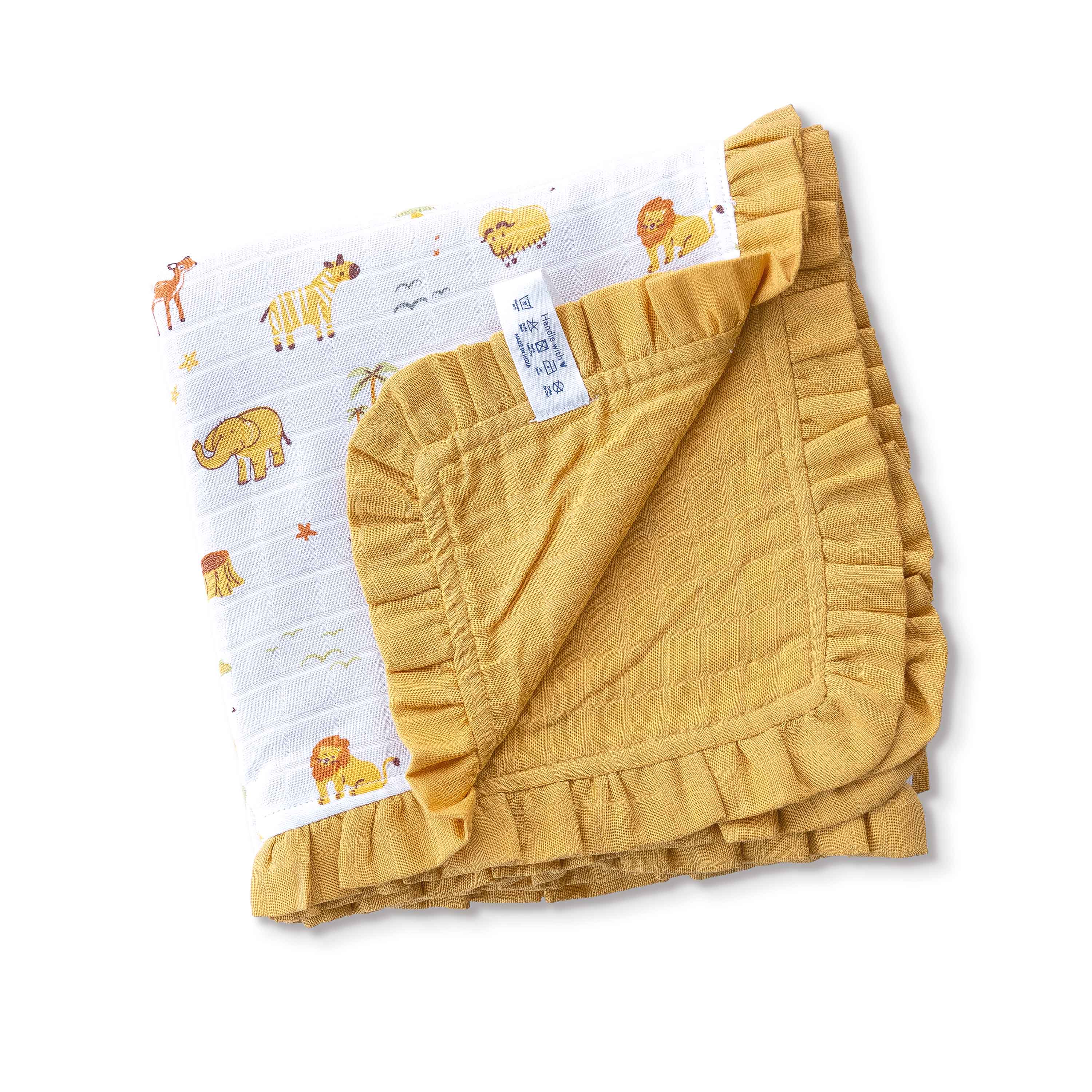
Shopping for a newborn baby blanket sounds simple - until you actually start looking. Suddenly you're comparing fabrics, checking sizes, reading labels, and wondering whether one blanket is genuinely better than another or just packaged more nicely. Every product claims to be soft, breathable, or baby-friendly, which doesn't exactly make choosing any easier. Here's the thing: the right baby quilt blanket should do far more than look adorable. It needs to feel gentle against delicate skin, offer the right amount of warmth, and hold up to everyday life with a little one in tow. Babies spend a huge amount of time wrapped up, playing on blankets, or travelling with them tucked in the pram. Comfort and safety matter every bit as much as cute prints. Shop Baby Quilts What Makes a Good Baby Quilt Blanket? Start with the fabric. Babies have incredibly delicate skin, so soft, breathable materials tend to work best. Organic muslin cotton has become something of a favourite among parents, largely because it feels lightweight while still allowing proper airflow - which keeps babies comfortable without overheating. Construction matters too. A well-made quilt with several soft layers gives gentle warmth without any bulk. Plenty of parents also love blankets that get softer with every wash, which matters when it's being used almost daily. Choosing a baby quilt blanket isn't really just a bedtime decision either - it quickly becomes one of the most reached-for baby essentials in the house. Comfort Should Never Compromise Safety Every parent wants their baby warm, but overheating is never the goal. That's really why breathable fabrics win out over thick, heavy materials. Lightweight organic cotton provides warmth while letting air circulate freely, making it suitable across different weather and everyday situations. It's also worth looking closer at how the blanket is actually made. Non-toxic dyes, premium organic cotton, and soft quilted stitching all contribute to a blanket that's genuinely gentle on sensitive skin. Small details like these add up more than you'd expect over time. One Blanket, Plenty of Uses Most parents realise fairly quickly that baby blankets never stay in one place. One minute it's spread out for tummy time. A little later it's draped over the pram during a walk. By evening, it's keeping baby cosy through feeding time. That's exactly why versatility matters so much. A generously sized blanket moves easily between all these situations without ever feeling awkward or restrictive. Many parents also prefer newborn blanket that fold down small enough to fit in a nappy bag for everyday outings - the more useful a blanket is, the more you'll actually reach for it. Why Reversible Designs Make Sense Babies have a habit of creating little messes at the most inconvenient moments. That's one reason a reversible blanket turns out to be surprisingly practical. Two beautifully designed sides give parents extra flexibility, while also keeping the blanket feeling fresh for longer between washes. Beyond the aesthetics, reversible blanket simply offer better value - they're built with repeated, everyday use in mind. Paired with lightweight construction and soft quilting, they become a genuinely reliable companion from newborn days right through toddlerhood. Think Beyond the First Few Months A lot of parents shop with only the newborn stage in mind. In reality, though, a good-quality blanket tends to stay useful for much longer than that. It can double as a play mat, pram cover, nursing cover, comfort blanket, travel companion - or simply become the favourite blanket that follows your little one everywhere. Choosing something durable from the start means you won't be replacing it after just a few months. That's exactly why quality materials are always worth the investment from day one. Final Thoughts Buying the right baby quilt blanket was never about spending the most money. It's about finding one that delivers softness, breathability, safety, and genuine everyday practicality. A thoughtfully designed blanket earns its keep from nap time through to travel and tummy time, making it one of the more valuable purchases new parents make. If you're after premium organic cotton blankets with lightweight four-layer construction, beautifully reversible prints, and baby-friendly materials throughout, Honcho Baby offers thoughtfully designed collections built around comfort, functionality, and everyday practicality. Explore Blankets FAQs 1. How do I choose the right blanket for my baby? Focus on breathable fabrics, soft stitching, and lightweight construction rather than thickness alone. A well-made baby quilt blanket should feel gentle on delicate skin, offer everyday comfort, and work just as well for naps, tummy time, and travel without ever feeling bulky. 2. Is organic cotton better for babies? Generally, yes. Organic cotton is naturally soft, breathable, and gentle on sensitive skin, which is why so many parents choose it to help minimise irritation. It also softens further with repeated washing, making it well suited to everyday use over the long term. 3. Can a newborn blanket be used beyond the newborn stage? Absolutely - a quality newborn blanket usually stays useful well past those first few months. Parents often keep using it during feeding, outdoor walks, travel, and playtime as their child grows. Choosing durable materials from the outset simply extends how long it stays useful. 4. Why do parents prefer reversible blankets? A reversible blanket offers two attractive designs in a single product, which makes it genuinely practical day to day. If one side picks up a mess, the other side is instantly ready to use - added versatility that pairs functionality with style. 5. How often should baby blankets be washed? Regularly, using a gentle baby-safe detergent - particularly after use outdoors or during feeding sessions. Always follow the manufacturer's care instructions to help preserve softness, fabric quality, and overall durability without affecting how the blanket looks or feels. Buy Now
Learn more