

Bringing a newborn home comes with plenty of firsts. The first feed. The first nappy change. The first sleepless night. And somewhere in between, most new parents come across the same question: how exactly do you swaddle a baby properly? At first glance, it can look surprisingly complicated. One wrong fold and your little one suddenly wriggles free like a tiny escape artist.
The good news is that learning how to swaddle a newborn isn't nearly as difficult as it seems. Once you understand the basics, it becomes a simple part of your baby's routine and can help create a cosy, secure environment that reminds them of the womb's comfort. Many parents find that swaddling helps newborns settle more easily and sleep more peacefully during those early months.
How to Swaddle a Newborn Safely and Comfortably
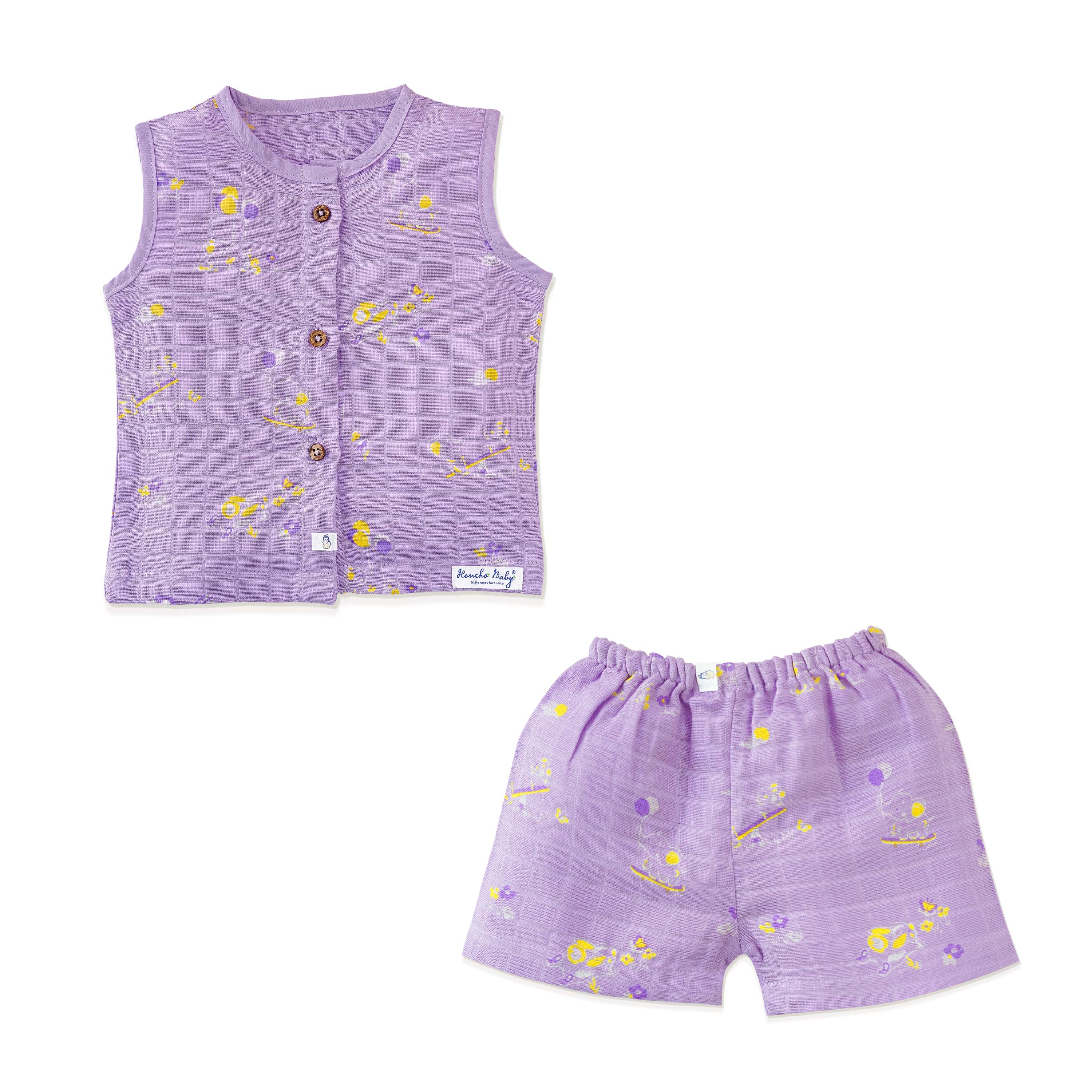
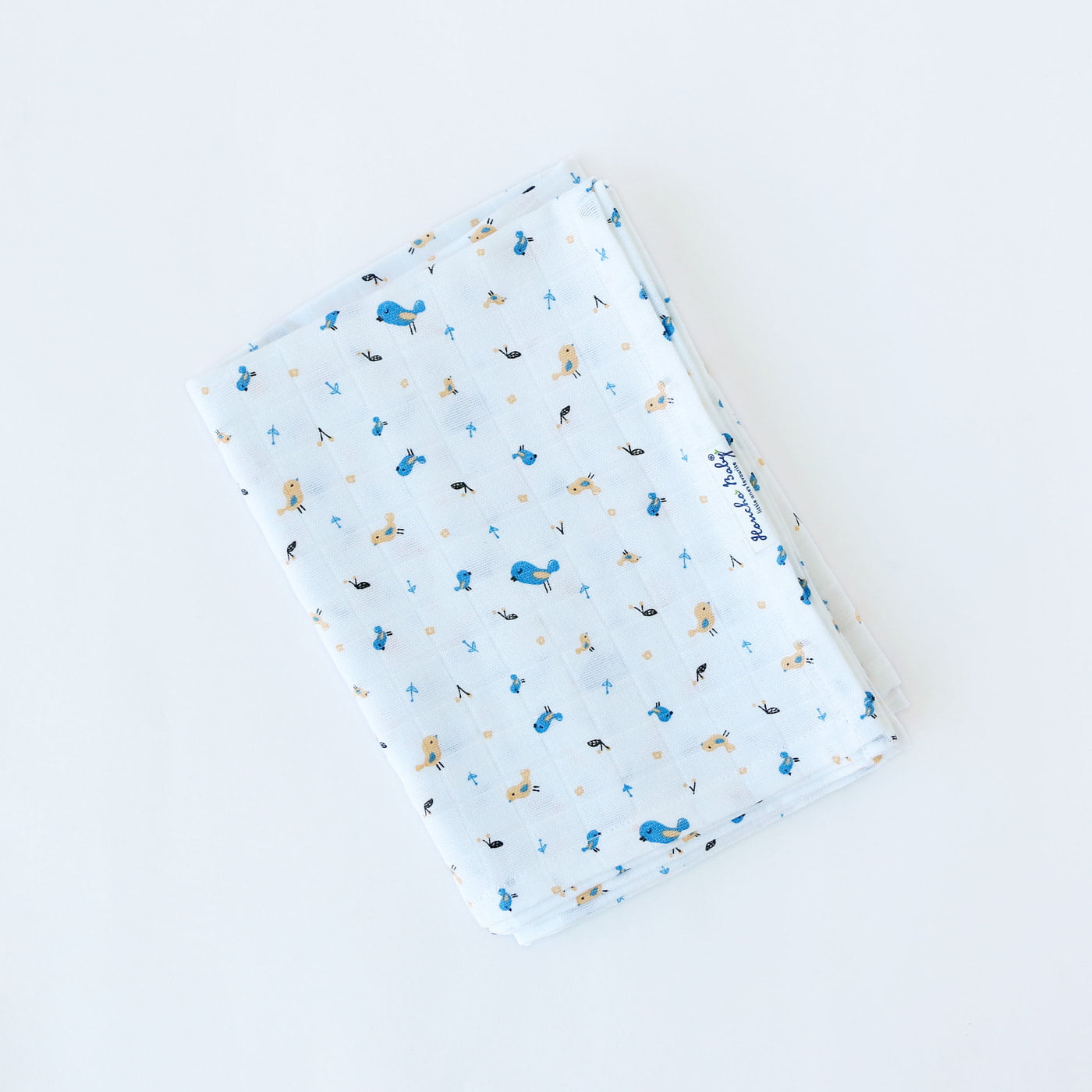
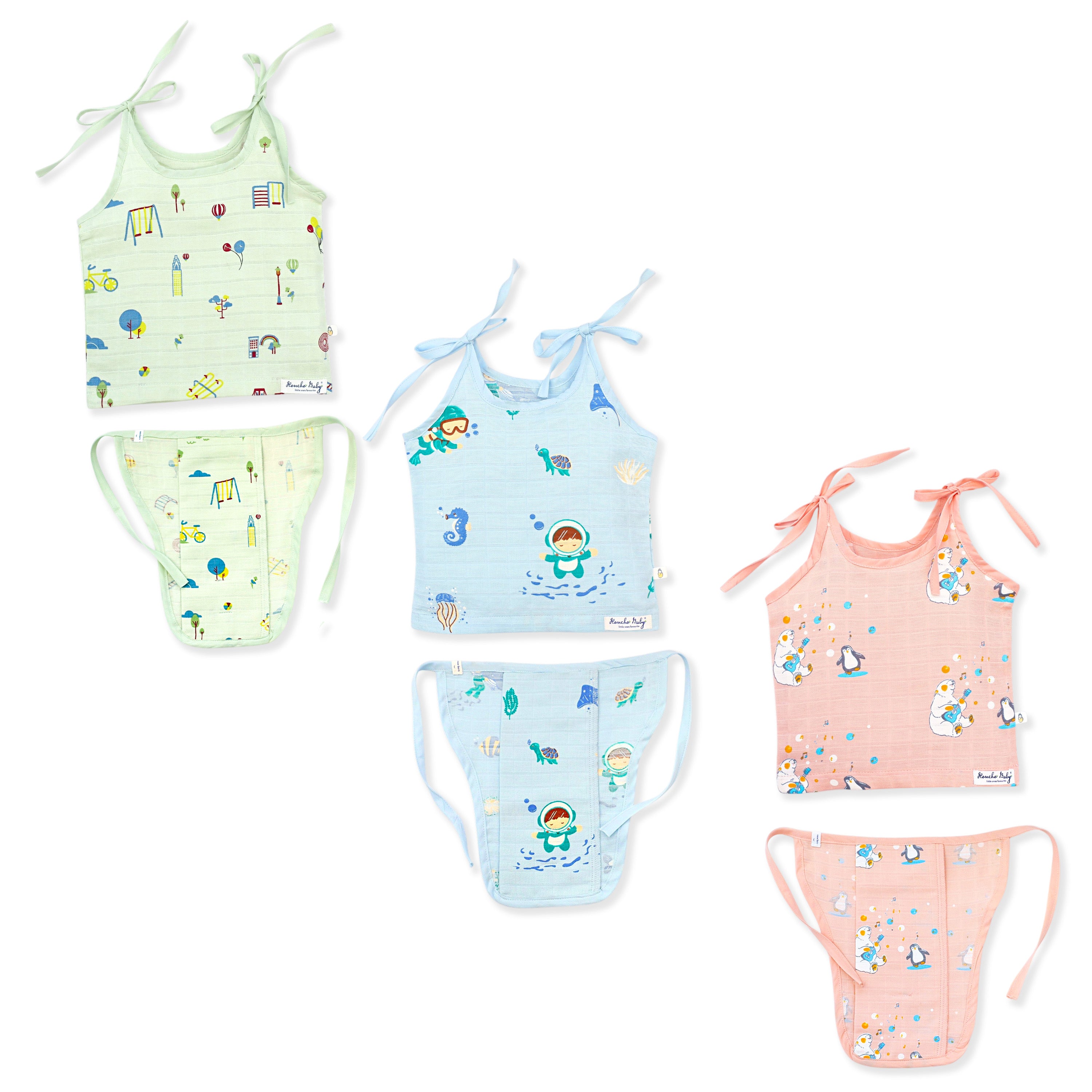
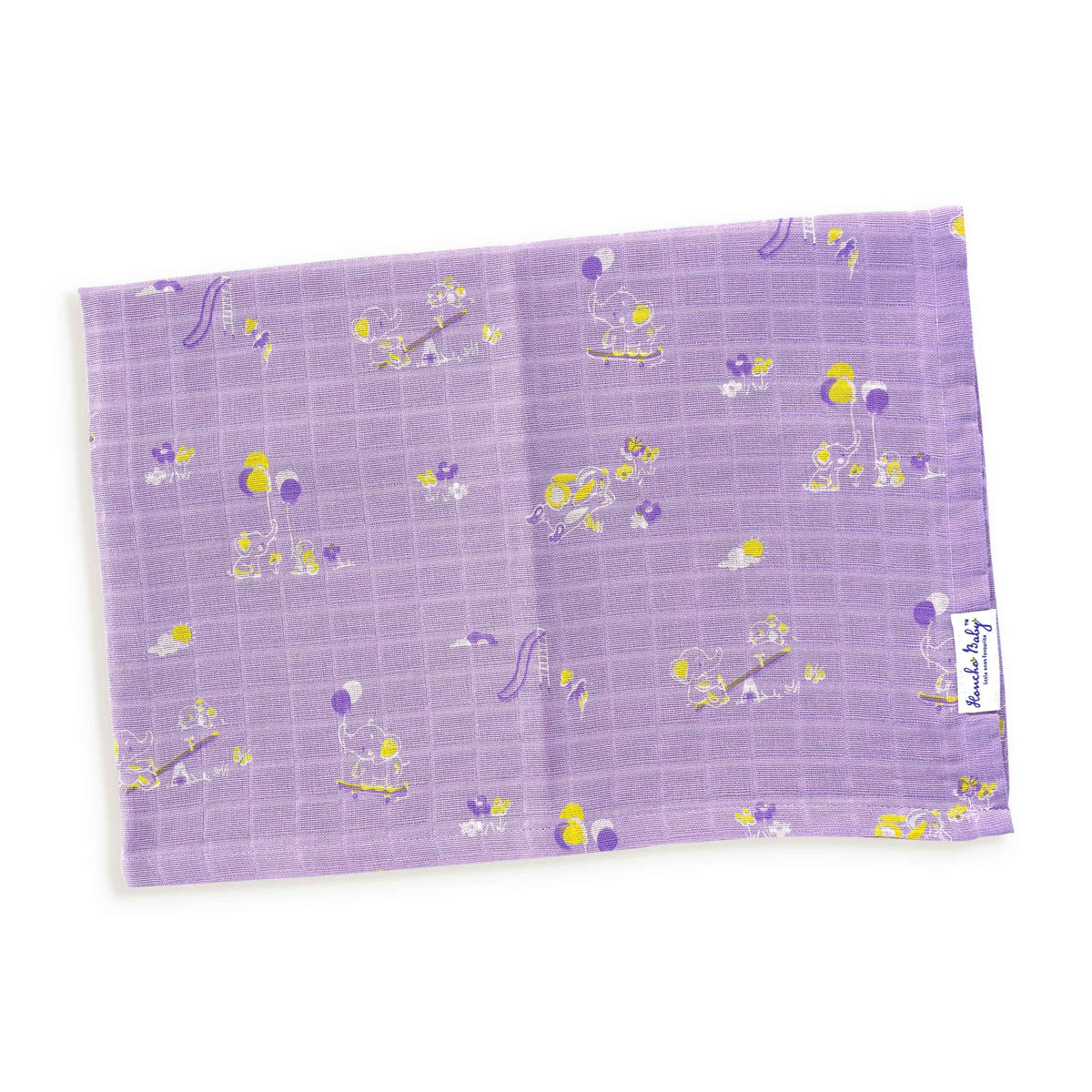
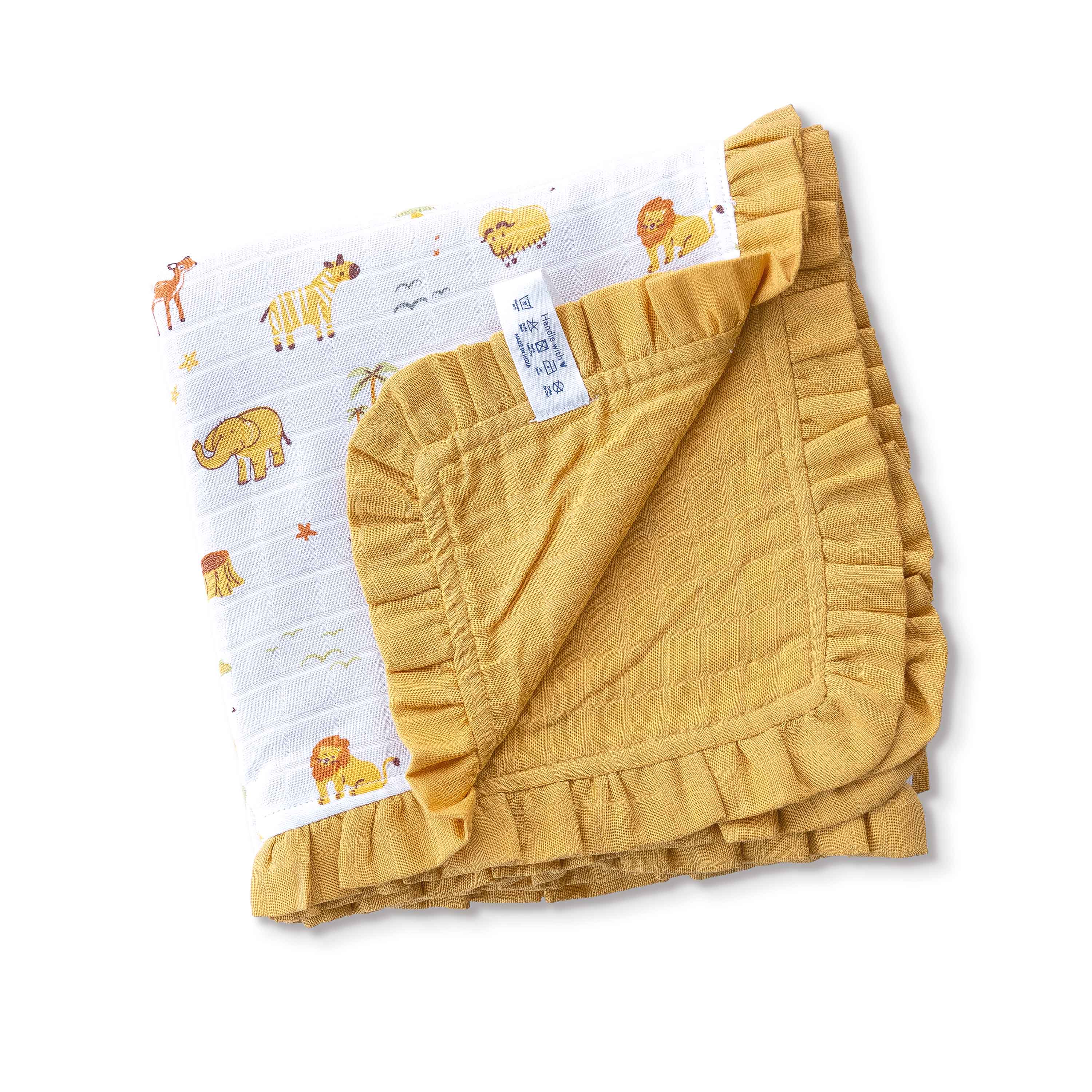
Before you begin, make sure you have a lightweight, breathable swaddle blanket. Breathable muslin cotton is often a popular choice because it feels soft against delicate skin and allows better airflow around your baby. Brands like Honcho Baby focus on muslin swaddles and baby essentials designed with comfort, softness, and newborn-friendly fabrics in mind.
Now let's go through the process.
Step 1: Lay the Blanket Flat
Place the swaddle blanket on a flat surface in a diamond shape.
Fold the top corner down slightly to create a straight edge. This folded section will sit just below your baby's shoulders.
Step 2: Position Your Baby
Place your baby gently on their back in the centre of the blanket.
Their shoulders should sit just below the folded edge. Make sure their head and neck remain completely uncovered throughout the process.
Step 3: Secure the First Side
Take one side of the blanket and bring it across your baby's chest.
Gently tuck the fabric underneath their back on the opposite side. The wrap should feel snug around the upper body but not overly tight.
Step 4: Fold the Bottom Corner Up
Lift the bottom corner of the blanket and fold it upwards towards your baby's chest.
Leave enough room for the legs and hips to move naturally. Babies need space to bend and kick comfortably rather than having their legs held straight.
Step 5: Wrap the Final Side
Bring the remaining side of the blanket across your baby's body and tuck it securely underneath them. At this point, your little one should feel snug, comfortable, and secure while still having room for healthy hip movement.
These simple swaddling steps can quickly become part of your daily routine after a little practice.
Why Swaddling Can Help Newborns
Newborns are adjusting to a completely different environment after spending months in the womb. Because of that, sudden movements can sometimes startle them awake. Swaddling helps create a sense of security and may reduce those unexpected wake-ups for some babies. Many parents report that swaddling provides a calming effect during the newborn stage, although every baby responds differently.
That said, not every baby loves being swaddled. Some settle instantly. Others prefer having their arms free. Learning what works best for your baby is part of the journey.
Common Swaddling Mistakes to Avoid
Most parents make a few mistakes when they're learning. That's completely normal. Be cautious of wrapping the blanket too tightly, covering your baby's face or neck, using overly thick fabrics, restricting hip and leg movement, and continuing to swaddle once your baby starts rolling over.
The goal is comfort, not restriction. A safe swaddle should help your baby feel secure while still allowing natural movement where needed.
Choosing the Right Swaddle Blanket
Not all swaddle blankets are the same. Soft, lightweight fabrics generally work best, especially in warmer climates. Muslin cotton has become a favourite among parents because it's breathable, gentle, and versatile. Many muslin swaddles can also be used as nursing covers, lightweight blankets, stroller covers, or burp cloths, making them useful beyond the newborn stage.
Choosing quality materials becomes even more important because newborn skin is incredibly delicate.
Final Thoughts
Learning how to swaddle a newborn can feel intimidating at first, but it quickly becomes easier with practice. The key is keeping the swaddle snug around the upper body while allowing healthy movement through the hips and legs.
Every baby is different, so don't worry if your little one takes time to adjust. With patience, the right technique, and a soft breathable blanket, swaddling can become a comforting part of your newborn's daily routine. For parents looking for thoughtfully designed muslin swaddles, blankets, and newborn essentials, Honcho Baby offers soft, breathable products created with comfort and delicate baby skin in mind.
FAQs
1. How long should a newborn be swaddled for?
Most babies can be swaddled during sleep throughout the newborn stage. However, parents should stop swaddling once the baby begins showing signs of rolling over. Following proper swaddling steps helps ensure the baby remains comfortable, secure, and safe during sleep while still allowing natural movement.
2. Can swaddling help babies sleep better?
Many parents find that swaddling helps reduce sudden startle reflexes that can wake newborns unexpectedly. By creating a snug and secure feeling, swaddling may help some babies settle more easily. However, every baby is different, so results can vary from one newborn to another.
3. What is the easiest way to learn how to swaddle a newborn?
The easiest approach is to practise with a lightweight blanket and follow a simple step-by-step method. After a few attempts, most parents become more confident with the technique. The goal is to create a snug wrap around the upper body while allowing healthy movement through the hips and legs.
4. Which fabric is best for swaddling a baby?
Breathable fabrics such as muslin cotton are often preferred because they feel soft against delicate skin and help improve airflow. Lightweight materials can keep babies comfortable without overheating, making them suitable for everyday use across different seasons and temperatures.
5. Why is a good baby wrapping guide important for new parents?
A reliable baby wrapping guide helps parents understand proper swaddling techniques and avoid common mistakes, such as wrapping too tightly or restricting movement. Learning proper methods can improve comfort, support safe sleep practices, and give new parents greater confidence when caring for their newborn.