

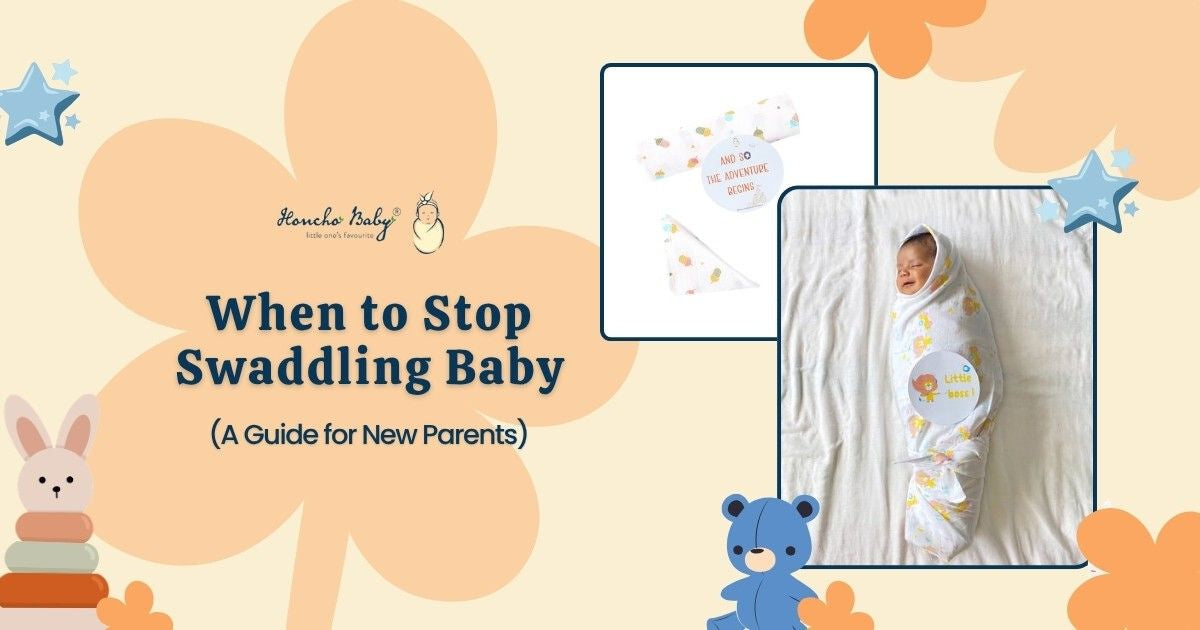
One minute, your newborn is sleeping peacefully in a snug swaddle. Next, they're wriggling, stretching, and somehow managing to escape every blanket you carefully wrapped around them. Sound familiar? For many parents, one of the biggest sleep-related questions is when to stop swaddling baby. Swaddling can be incredibly comforting during the newborn stage, helping babies feel secure while reducing the startle reflex that often interrupts sleep. But there comes a point when continuing to swaddle is no longer the safest option.
The challenge is knowing exactly when that moment arrives. The good news? There are a few clear signs that can help you make the transition with confidence.
When to Stop Swaddling Baby: The Signs Every Parent Should Know
There isn't a single date on the calendar when every baby should stop being swaddled. Some babies are ready earlier than others. However, most sleep experts and paediatricians' guidance suggests stopping swaddling as soon as your baby begins showing signs of rolling over. For many babies, this can happen around three to four months of age, although some may start earlier.
Once rolling becomes possible, keeping a baby's arms restricted can create safety concerns during sleep. This is why understanding your baby's development is often more important than focusing only on age. Look for signs that indicate your baby may be ready to transition from swaddling. These include rolling from back to side, increased movement during sleep, frequently breaking free from swaddles, attempting to lift or reposition themselves, and showing a preference for sleeping with their arms free. Recognising these signs can help you determine the right time for the next stage.
Why The Transition Can Feel Difficult
Let's be honest. Many parents worry about this change because swaddling often works so well. A snug swaddle can help newborns sleep longer by reducing sudden arm movements caused by the startle reflex. That's one reason swaddles remain a popular sleep solution during the early months. The concern is usually simple: "What if my baby sleeps worse without it?"
Sometimes they do, at least initially. Just like any change in routine, your baby may need a little time to adjust. That doesn't necessarily mean something is wrong. It simply means they're learning a new way to sleep.
Understanding The Swaddling Age Guide
If you're searching for a reliable swaddling age guide, it's helpful to think about developmental milestones rather than exact age limits. Many babies are swaddled comfortably during the first few months of life. Once rolling becomes a possibility, it's generally recommended to begin transitioning away from full swaddling. Safety should always take priority over sleep convenience.
Remember, babies develop at different rates. Some may transition at two months. Others closer to four months. Watching your baby's movement patterns will usually provide the best guidance.
Making The Transition Easier
The idea of moving away from swaddling often sounds more stressful than it actually is. A gradual approach usually works best. Some parents start by leaving one arm out of the swaddle for a few nights before moving to both arms out. Others switch directly to a sleep sack or wearable blanket.
The goal is to help your baby become comfortable sleeping with greater freedom of movement while still feeling secure. Many modern sleep products are specifically designed to support this baby sleep transition phase by offering comfort without restricting arm movement. These products can provide reassurance for both babies and parents during the adjustment period.
Every Baby Is Different
One thing new parents quickly learn is that babies rarely follow the same rulebook. Some babies love being swaddled and resist the transition at first. Others seem eager to have their arms free and adapt surprisingly quickly. That's perfectly normal.
The key is paying attention to your baby's cues and prioritising safe sleep practices over temporary sleep disruptions. In most cases, a few nights of adjustment lead to a smoother long-term sleep routine.
Final Thoughts
Knowing when to stop swaddling a baby can feel confusing at first, especially when your little one has grown comfortable with the routine. The safest approach is to watch for developmental milestones, particularly signs of rolling, rather than relying only on age. Every baby progresses differently, but once they're ready, a gradual transition can help make the process easier for everyone involved.
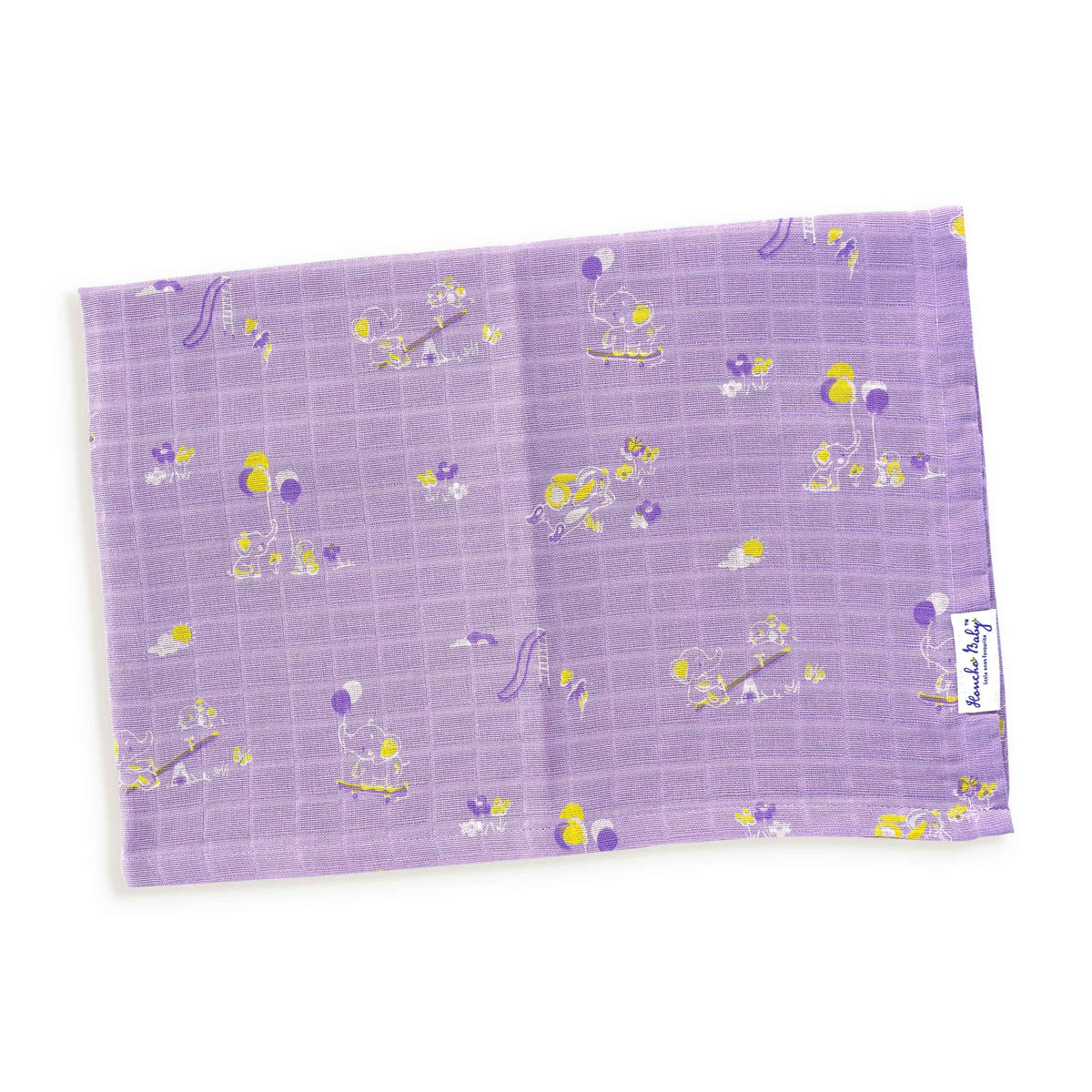
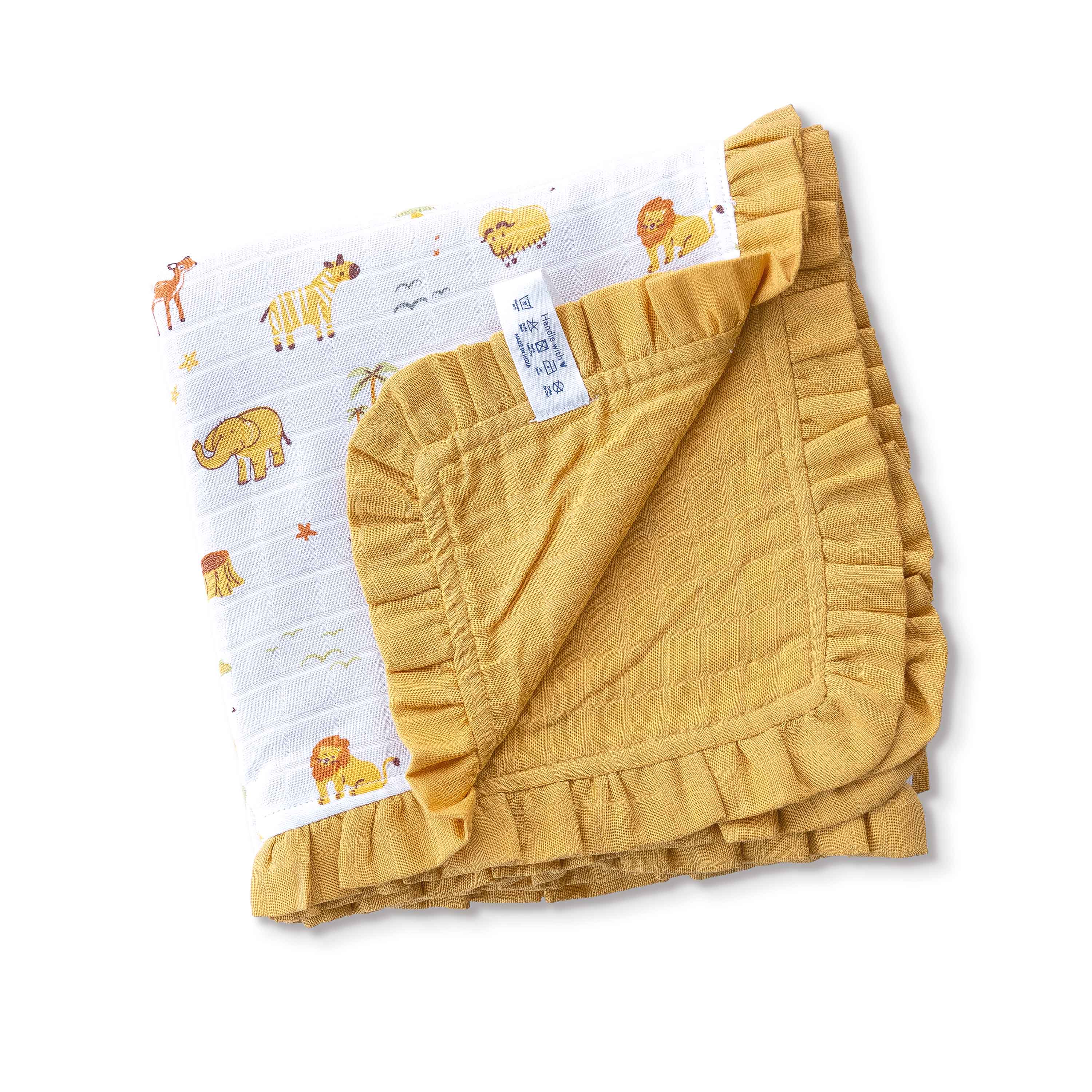
For parents looking for thoughtfully designed baby essentials, soft muslin swaddles, and comfortable sleep products created with little ones in mind, Honcho Baby focuses on comfort, quality, and baby-friendly materials designed for everyday use.
FAQs
1. What is the safest age to stop swaddling a baby?
There isn't one exact age that applies to every child. A good swaddling age guide focuses more on developmental milestones than dates. Once your baby starts showing signs of rolling over or moving independently during sleep, it's generally considered the safest time to begin transitioning away from swaddling.
2. What happens if I continue swaddling after my baby starts rolling?
Once a baby can roll, keeping their arms restricted during sleep may increase safety risks. This is why parents are advised to learn when to stop swaddling baby and make the change promptly. Free arm movement allows babies to reposition themselves more easily if they roll during sleep.
3. How do I help my baby adjust after swaddling?
A gradual approach often works best. Some parents start with one arm out before removing the swaddle completely. Others move directly to a wearable blanket or sleep sack. Consistency, patience, and maintaining a familiar bedtime routine can help make the adjustment smoother for your little one.
4. What should my baby wear after stopping swaddling?
Many parents choose sleep sacks or wearable blankets once swaddling ends. These options provide warmth and comfort without restricting movement. Products designed for the baby sleep transition stage can help babies feel secure while allowing them to sleep safely with their arms free.
5. Do all babies need to be swaddled?
Not necessarily. While many newborns enjoy the comfort of swaddling, some babies sleep perfectly well without it. Every child has different preferences, and parents can choose the sleep solution that best supports comfort, safety, and healthy sleep habits during the early months.