

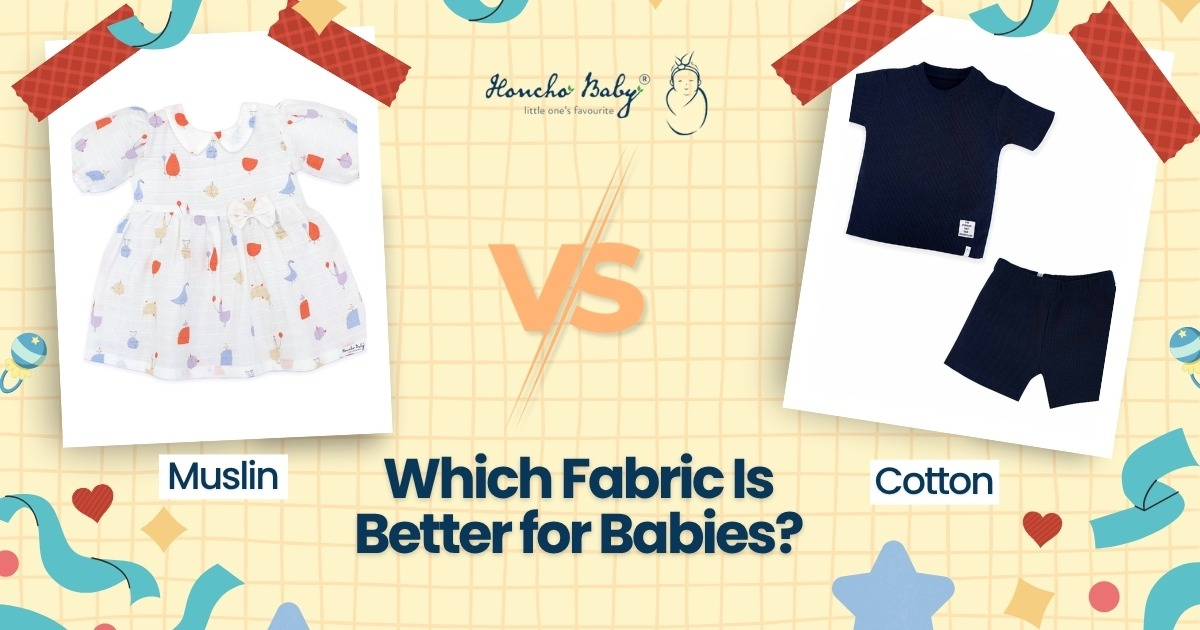
Choosing the right fabric for a baby’s clothing, blankets, and bedding is an important decision for parents. Skin sensitivity, breathability, softness, and comfort all play a major role during infancy. When discussing muslin vs cotton for babies, many parents often wonder which option provides better comfort and practicality for daily use.
Both fabrics offer unique advantages, but understanding their differences can help parents make more informed choices for newborn care and comfort.
Understanding Muslin Fabric for Babies
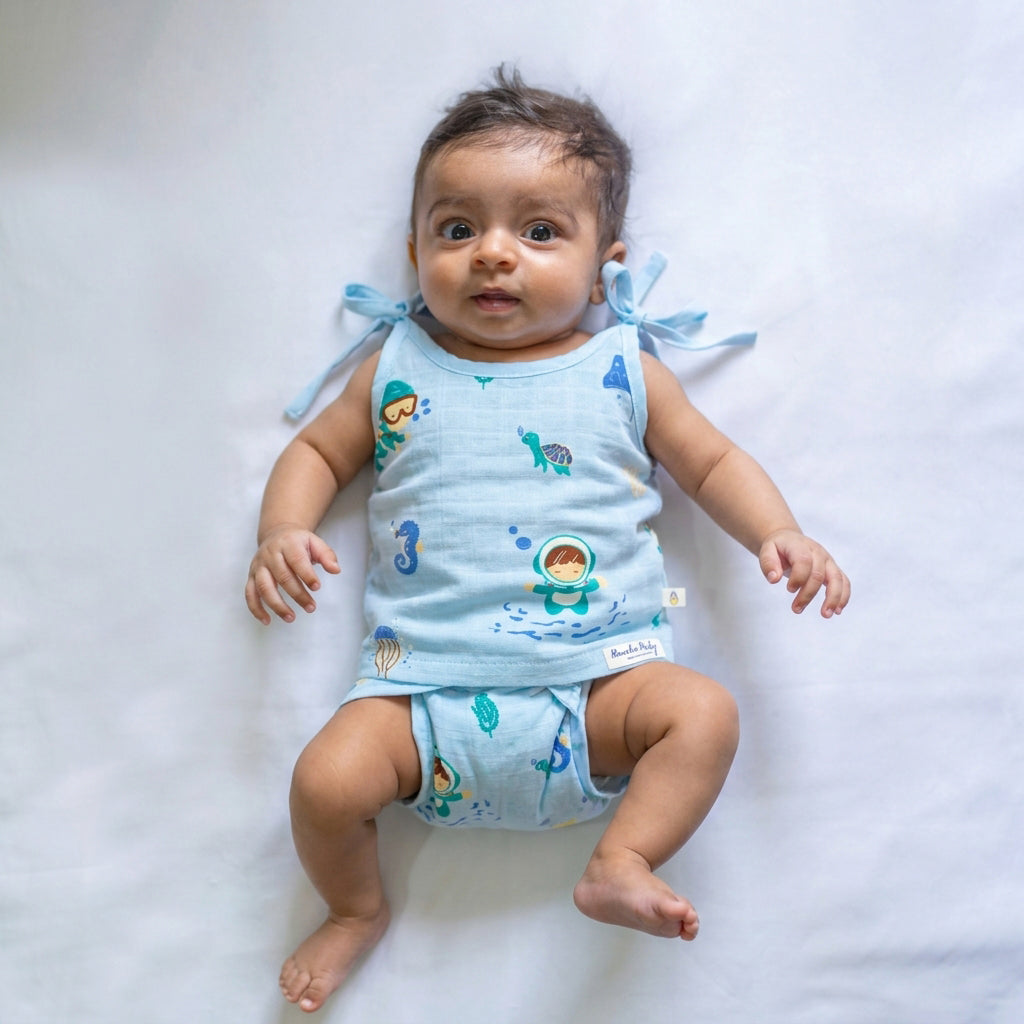
Muslin is a lightweight, loosely woven cotton fabric known for its airy texture and softness. It is widely used in swaddles, burp cloths, bibs, and baby blankets because it allows better airflow and helps regulate body temperature naturally.
One reason parents compare muslin vs cotton for babies is that muslin becomes softer after every wash. Its breathable structure helps reduce overheating, making it particularly suitable for warm climates and daytime use.
Muslin also dries quickly and feels gentle against delicate newborn skin. These qualities make it a practical option for parents seeking lightweight everyday essentials for infants.
Understanding Traditional Cotton Fabric
Cotton remains one of the most commonly used materials for baby clothing and bedding. It is soft, durable, absorbent, and suitable for various weather conditions. Cotton fabrics are available in different weaves and thicknesses, allowing parents to choose products according to seasonal needs.
During a baby fabric comparison, cotton is often appreciated for its durability and versatility. Heavier cotton fabrics may provide additional warmth during cooler months, while softer cotton blends offer comfort for daily wear.
Parents also prefer cotton because it is widely available and easy to maintain. Many baby garments and sleep essentials continue to rely on high-quality cotton fabrics for long-term usability.
Breathability and Comfort Differences
Breathability is one of the biggest factors in the debate around muslin vs cotton for babies. Muslin generally allows more air circulation because of its open weave structure. This feature helps babies remain cool and comfortable during naps, swaddling, or outdoor use.
Traditional cotton, although breathable, may feel slightly denser depending on the fabric weave. While cotton still provides comfort, muslin is often preferred in hotter environments where airflow becomes especially important for newborns.
Parents looking for the best fabric for newborn comfort during summer often lean towards muslin because it feels lighter and softer against sensitive skin.
Durability and Daily Practicality
Cotton usually performs better in terms of long-term durability. Repeated washing and regular use rarely affect the structure of well-made cotton fabrics. This makes cotton a dependable option for baby clothing that requires frequent cleaning.
However, muslin offers practical advantages as well. Its lightweight structure makes folding, carrying, and storing easier for parents. In a detailed baby fabric comparison, muslin often stands out for convenience, while cotton remains valued for resilience and structure.
Parents may ultimately choose different fabrics depending on how and where the products will be used daily.
Which Fabric Works Better for Sensitive Skin?
Babies often experience skin sensitivity during their first months. Fabrics that trap heat or moisture may cause irritation or discomfort. This is another reason why many parents research muslin vs cotton for babies before purchasing swaddles, blankets, or sleepwear.
Muslin’s softness and airflow can help minimise excessive warmth and moisture retention. Cotton, meanwhile, remains comfortable when high-quality materials and gentle finishes are used. Organic cotton options may further reduce exposure to harsh chemicals or rough textures.
For many families, the best fabric for newborn care depends on climate, skin sensitivity, and intended product usage rather than a single universal choice.
Choosing the Right Fabric for Different Uses
Muslin works particularly well for swaddles, lightweight blankets, pram covers, and burp cloths. Its breathable nature supports better airflow during sleep and travel.
Cotton may be more suitable for structured baby clothing, thicker blankets, fitted bedding, and cooler weather essentials. Comparing muslin vs cotton for babies often reveals that both fabrics serve different purposes rather than competing directly.
Parents may benefit most by keeping a balanced combination of both materials for various situations throughout infancy.
Final Thoughts
Understanding fabric differences helps parents choose products that support comfort, breathability, and practicality during early childhood. While muslin offers lightweight softness and airflow, cotton provides durability and versatility for everyday use. Selecting suitable materials ultimately depends on weather, baby sensitivity, and intended usage. Honcho Baby offers thoughtfully designed baby essentials focused on comfort, softness, and modern parenting needs.
FAQs
1. Is muslin safer than cotton for newborn babies?
Parents comparing muslin vs cotton for babies often prefer muslin because its breathable weave helps improve airflow and reduce overheating risks during sleep. However, both fabrics are considered safe when soft, lightweight, and appropriate for newborn use. Fabric quality, washing methods, and seasonal suitability all influence overall baby comfort and daily practicality.
2. Which fabric is more suitable for summer weather?
During warm weather, muslin is often preferred because it feels lighter and allows better air circulation around delicate skin. Babies may remain more comfortable in breathable fabrics that reduce trapped heat and moisture. Cotton can still work well during summer, particularly when parents choose thinner, softer varieties designed specifically for infants and newborns.
3. What is the best fabric choice for swaddling babies?
Many parents searching for the best fabric for newborn swaddling choose muslin because it feels breathable, lightweight, and flexible during wrapping. Muslin blankets also become softer after repeated washing, improving comfort over time. Cotton swaddles remain useful too, especially during cooler seasons when slightly thicker materials provide additional warmth and gentle protection.
4. Does muslin become softer after washing?
Muslin naturally softens with repeated washing, making it increasingly comfortable for babies over time. Parents often appreciate this quality because the fabric maintains its gentle texture without becoming heavy. Using mild detergents and proper washing techniques can help preserve softness while keeping baby essentials hygienic, breathable, and suitable for everyday infant care.
5. Why do parents compare muslin and cotton fabrics so frequently?
A detailed baby fabric comparison helps parents understand differences in softness, breathability, durability, and seasonal comfort before purchasing baby essentials. Muslin and cotton are both widely used for infant products, making comparisons common among new parents. Understanding fabric characteristics allows families to select materials suited to everyday newborn care and comfort.