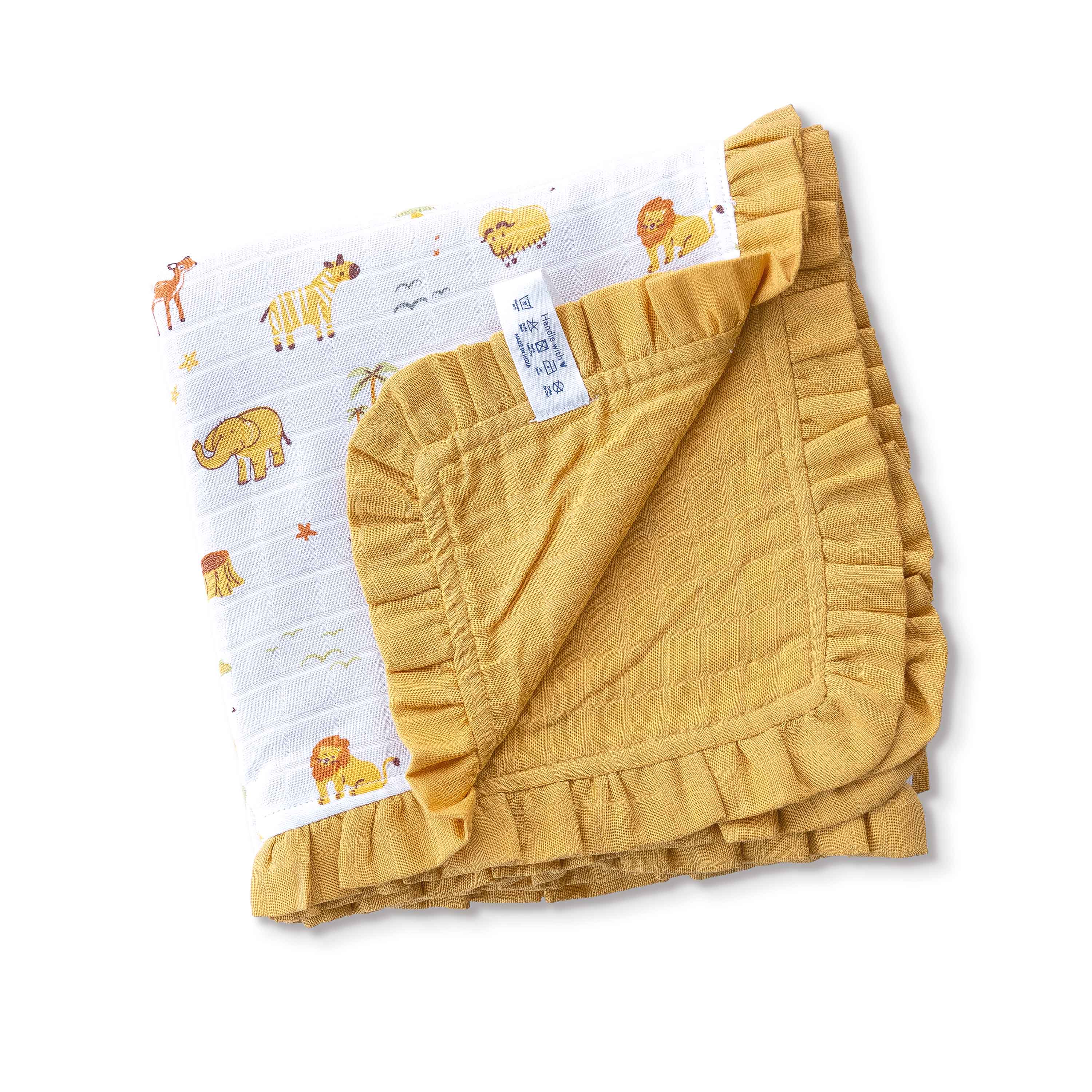


Swaddling can feel like a lifesaver during those early newborn weeks. A properly swaddled baby often feels calmer, sleeps better, and settles more easily. For exhausted parents running on very little sleep, that can make a huge difference.
But here's the thing. Swaddling isn't just about wrapping a blanket around your baby and hoping for the best. Many new parents unknowingly make swaddling mistakes that can affect comfort, sleep quality, and sometimes even safety. The good news is that most of these mistakes are easy to avoid once you know what to avoid. Let’s look at some of the most common ones.
Why Swaddling Mistakes Happen So Often
Most parents aren't doing anything wrong intentionally. They're simply learning as they go. Between advice from family members, social media videos, parenting forums, and well-meaning friends, it's easy to receive conflicting information about swaddling.
One person says wrap tightly.' Another says keep it loose. Someone else recommends stopping at a particular age. It's no surprise that confusion happens. The key is understanding a few basic principles and following safe swaddling practices that support both comfort and safety.
Wrapping Too Tightly
This is probably one of the most common mistakes. Many parents assume a tighter swaddle means a better swaddle. In reality, wrapping too tightly can restrict natural movement and make babies uncomfortable.
A swaddle should feel secure around the upper body without becoming restrictive. Babies should still have room to move their hips and legs naturally. Experts often recommend allowing enough space for healthy hip movement while keeping the arms comfortably contained. Think snug rather than tight.
Using The Wrong Type Of Blanket
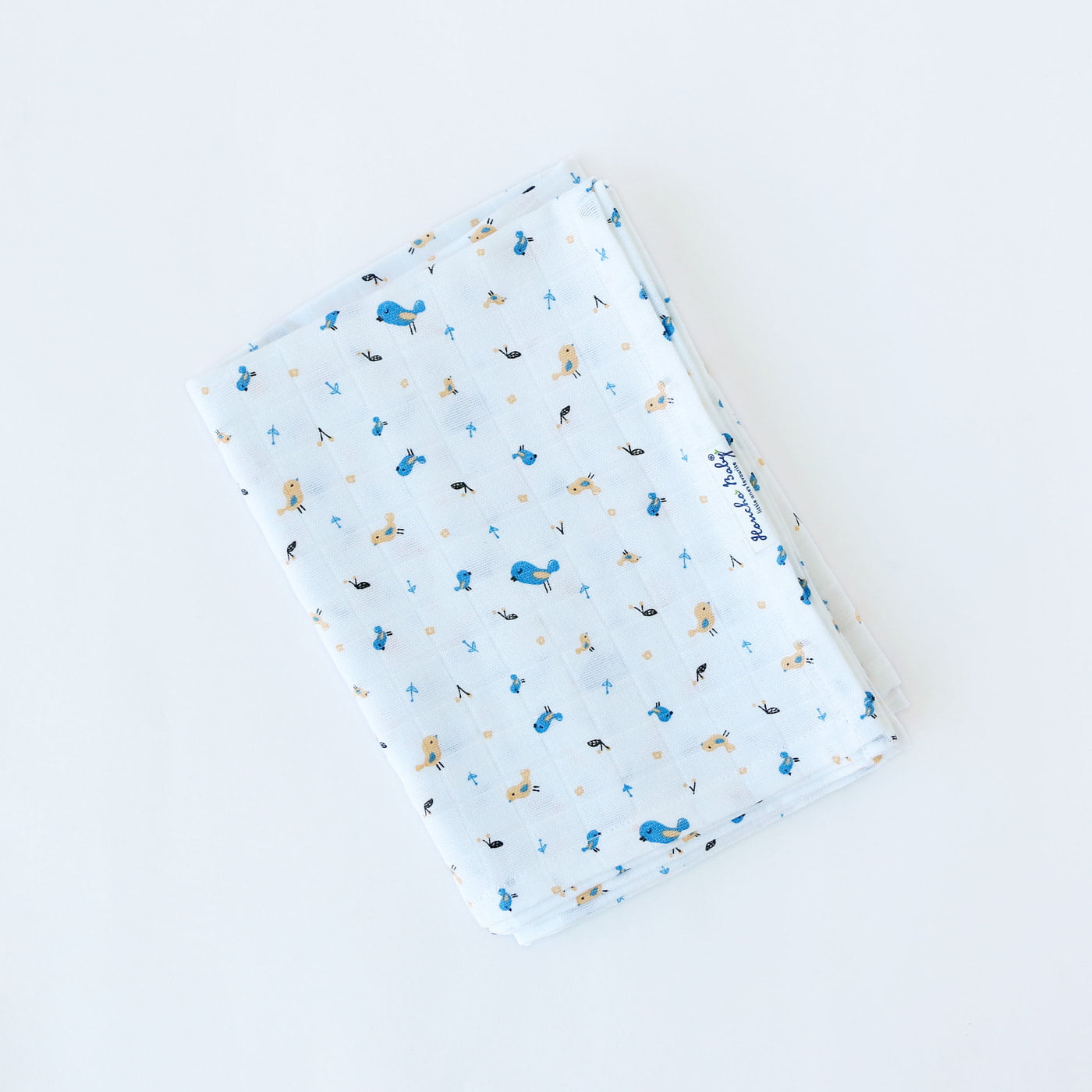
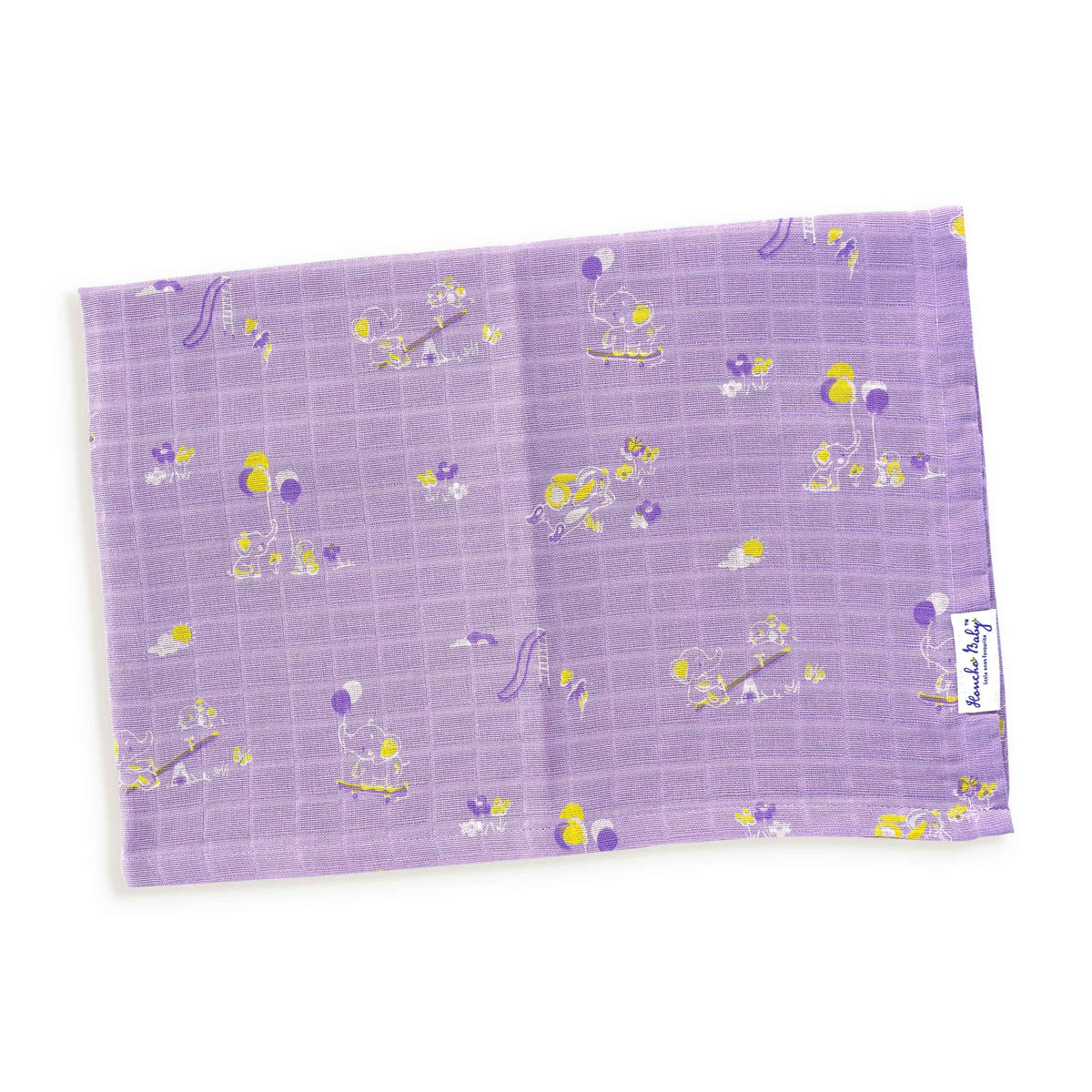
Not all blankets are ideal for swaddling. Heavy fabrics may cause overheating, especially during warmer months. Large blankets can become difficult to manage and may loosen during sleep. Breathable materials usually work much better for newborns.
Comfort matters, but safety matters even more. A lightweight, properly sized swaddle product often makes the process simpler for new parents who are still learning.
Continuing To Swaddle For Too Long
Swaddling works well during the newborn stage, but it doesn't last forever. Once babies start showing signs of rolling over, swaddling generally needs to stop. This is one area where many parents accidentally make swaddling mistakes because their baby still seems to enjoy being wrapped.
The challenge is that developmental milestones can change sleep safety requirements quickly. Regularly monitoring your baby's movement and development helps you know when it's time to transition away from swaddling.
Ignoring Signs Of Overheating
Babies can become warmer than adults realise. Layering clothing underneath a swaddle while also using heavy blankets can sometimes create unnecessary heat.
Signs such as sweating, flushed skin, or damp hair may indicate your baby is becoming too warm. Temperature regulation is an important part of safe swaddling practices, particularly during warmer weather or when indoor heating is being used. When in doubt, lighter layers are often the safer choice.
Swaddling During Every Sleep Stage
Some parents begin using swaddles for every nap and bedtime without reassessing their baby's needs as they grow. Babies develop quickly during the first few months. What works perfectly at two weeks may not work the same way at three months. This is where many baby sleep mistakes begin to appear. Parents continue routines that once worked well without adjusting them as their baby develops new sleep patterns and movement abilities. Flexibility is important. Sometimes small changes make a noticeable difference.
Forgetting That Every Baby Is Different
One of the biggest surprises for new parents is discovering that babies don't all respond to swaddling the same way. Some babies absolutely love it. Others tolerate it. A few may dislike it altogether. That's completely normal.
Parenting advice often sounds universal, but babies rarely are. Paying attention to your own baby's cues is usually more helpful than following rigid rules. The goal isn't perfect swaddling. The goal is to help your baby feel comfortable, secure, and well-rested.
Final Thoughts
Most parents make a few swaddling mistakes along the way, and that's perfectly normal. Swaddling has a learning curve, especially during those early weeks when everyone is adjusting to life with a newborn. The important thing is understanding the basics, following appropriate safety guidelines, and staying attentive to your baby's changing needs. A few simple adjustments can make swaddling more effective and help create a safer sleep environment overall.
For parents looking for thoughtfully designed baby essentials that support comfort and everyday practicality, Honcho Baby offers products created with modern families in mind.
FAQs
1. What is the most common swaddling mistake new parents make?
One of the most common swaddling mistakes is wrapping the baby too tightly. Many parents believe a tighter swaddle helps babies sleep better, but excessive tightness can restrict movement and cause discomfort. A secure yet comfortable wrap generally works best for most newborns during the early months.
2. How can parents swaddle their baby more safely?
Following safe swaddling practices starts with choosing breathable materials, allowing healthy hip movement, and ensuring the swaddle remains secure without being restrictive. Parents should also monitor room temperature and regularly check for signs of overheating to help create a safer sleeping environment.
3. Can swaddling affect a baby's sleep quality?
Yes, swaddling can influence sleep quality positively when done correctly. A secure swaddle may help reduce the startle reflex and encourage longer sleep periods. However, every baby responds differently, so parents should observe their baby's comfort levels and adjust their approach when necessary.
4. When should parents stop swaddling their baby?
Many experts recommend stopping swaddling once a baby begins showing signs of rolling over. This milestone often signals that the baby needs greater freedom of movement during sleep. Monitoring developmental changes closely helps parents determine the safest time to transition away from swaddling.
5. Are swaddling problems linked to other sleep issues?
In some cases, common baby sleep mistakes can occur alongside swaddling challenges. Overheating, inconsistent sleep routines, or using unsuitable sleep environments may affect rest quality. Looking at the overall sleep setup rather than focusing only on swaddling often helps parents identify potential concerns.